Theopolis Logo

Writing

Explore our collection of theological essays, biblical studies, and reflections on faith and culture.

See all
motoki-tonn-nau5bxei9p4-unsplash
Epistemology

The Scattering Integrative Life

Can it be that it has been two whole years since I contributed a Theopolis Post! I had been pursuing the topic of integration: “Seeking Integration in a Fragmented World.” I had defined “integration,” simply, as creative putting together. I had posed that seeking it calls for a fundamentally integrative…

by Esther Lightcap MeekAugust 10, 2021
screen-shot-2021-08-03-at-1-08-28-pm
John

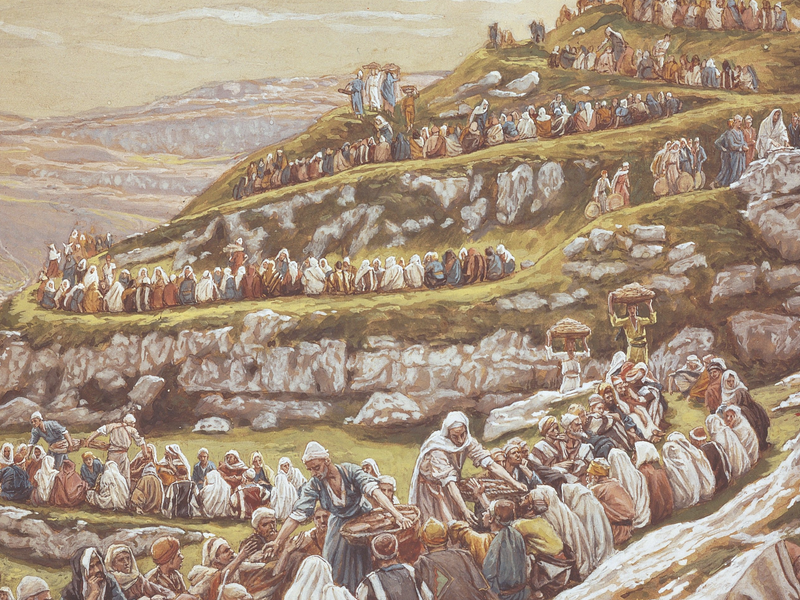
Understanding the Loaves

What is known as the miracle of the “Feeding of the Five Thousand” occurs in Mark’s Gospel in chapter 6. As with other gospel writers, Mark has a few different points to make as he moves through this story (included in all four gospel accounts) and its surrounding material. Three…

by Eric RobinsonAugust 3, 2021
kalen-emsley-bkci_8qcdvq-unsplash-1
Biblical Theology

The Sequence of Events in the Creation Week

To begin with the source of this narrative: Since no human being was present to observe these events, we must assume that this narrative was revealed directly by God to a human author. There are three ways this might have happened. First, we might read, "God said to Abraham (or…

by James B. JordanJuly 28, 2021
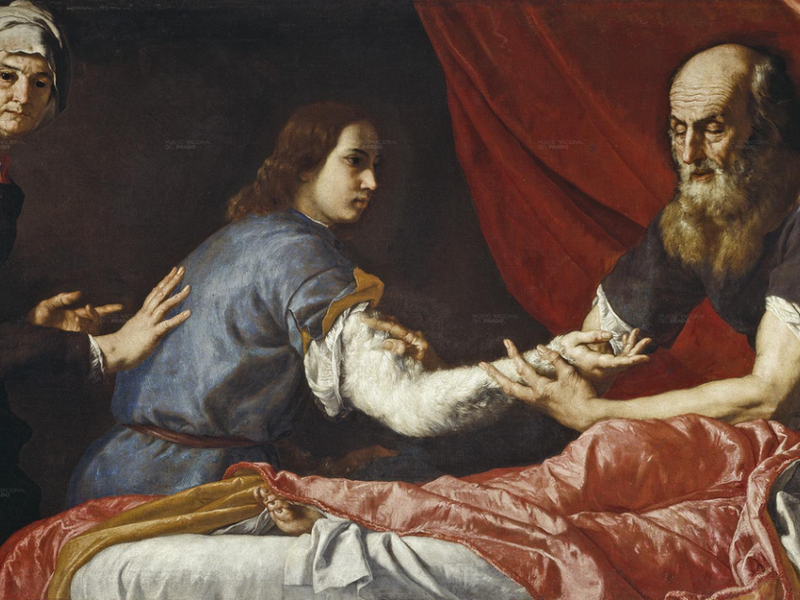
isaac_blessing_jacob
Biblical Theology

Genesis 27: In the Likeness of Sinful Man

The serious Bible student cannot help but be struck by the deviousness of Jacob in Genesis 27. If one already expected some underhanded dealings from this twin-born-second whose name means “supplanter” and whose bargaining with his brother for the birthright in Genesis 25 seemed incredibly weighted in his own favor,…

by Eric RobinsonJuly 20, 2021
stephen-radford-86qxyjwq8lu-unsplash
Manhood

Chief Hunger

From Barna stats to mainstream headlines, it seems as though the discordant nature of this last year has taken such a toll on churches in the United States that, for many, the injuries have been fatal. It has become a regular occurrence to hear about a congregation that continues to…

by Garrett SoucyJuly 13, 2021
screen-shot-2021-07-06-at-2-50-52-pm
Movies

Good News in "The Bad News Bears"

In The Bad News Bears (1976), a city councilman hires a washed-up minor league baseball player with a drinking problem to coach a little league team of leftover misfits. Underdog sports movies are usually full of sentimentalism and dramatic victories, but this film is a commentary on the failing dream…

by Jacob GuckerJuly 6, 2021

Showing page 53 of 309

See all
See all
History

Jewish/Non-Jewish Gnosis

In his history of Christianity, August Neander distinguished between gnostics who arose from within Judaism and those whose inspiration came from “Oriental” modes of thought. Here is his description of the Jewish sources of gnosticism: In the following respect, all these Gnostics agree ; they all held . . .…

December 21, 2007
History

Gnosticism and Samaritan theology

A few scattered notes from Jarl Fossum’s book examining the links between the figure of the “angel of Yahweh” in Samaritan theology and the “demiurge” of gnosticism. 1) Fossum points out that Simon Magus, legendarily the fountain of Gnosticism, venerated the Torah, and that some of the church Fathers said…

December 21, 2007
History

Gnosticism and Jewish Revolt

In a 2006 book on the origins of gnosticism, Carl B. Smith offers an alternative account of the connections of Judaism and gnosticism. According to the JETS reviewer: Smith “proposes that gnosticism arose in a social context of ‘alienated Judaism’ influenced by Greco-Roman and early Christian ideas in the aftermath…

December 21, 2007

Gnosticism and AD 70

In a book published in 1959, R. M. Grant attempted “to explain Gnosticism as arising out of the debris of apocalyptic-eschatological hopes which resulted from the fall or falls of Jerusalem.” According to a reviewer in Theology T0day , “Grant stresses the Jewish element which, as he rightly says, has…

December 21, 2007
History

Yahweh/Kronos

Origen says that the Ophite demiurge had the face of a lion and was connected with Saturn, and this has led some scholars to conclude that Jaldabaoth was a combination of Baal and Kronos. John of Damascus says that the Phoenicians held Kronos to be a kind of demiurge, and…

December 21, 2007
History

Jaldabaoth

According to Alfred Honig (writing in the late 19th century), the Ophite name for the demiurge, Jaldabaoth, comes from a Hebrew phrase meaning “child of chaos,” and the etymology goes back at least to the 1820s. Scholem argued, however, that the name was invented by a Jew and is a…

December 21, 2007

Showing page 1592 of 2212

Browse by Category

In Medias Res

Your weekly digest for all things Theopolis.

Donate

Theopolis is nearly 100% donor-supported. Consider joining us on our mission.