Theopolis Logo

Writing

Explore our collection of theological essays, biblical studies, and reflections on faith and culture.

See all
brian-moats-2
Theopolis News

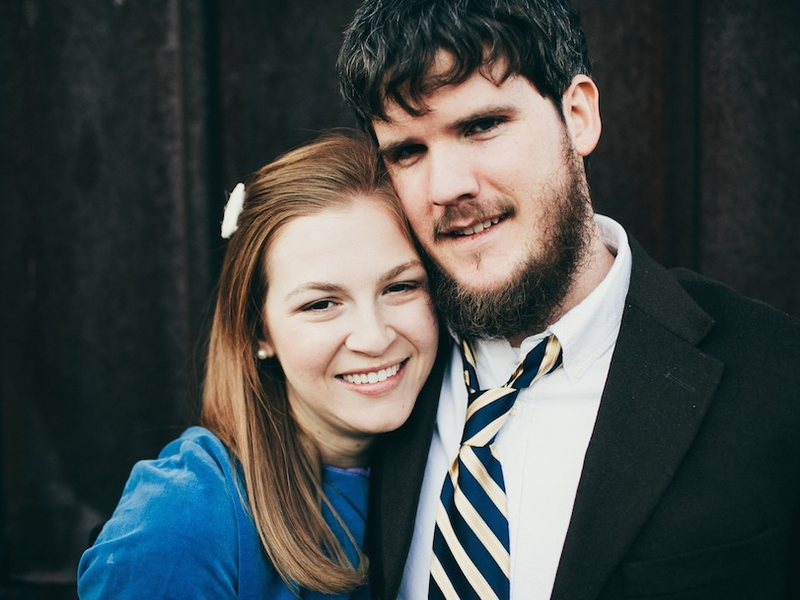
Meet Brian Moats

Theopolis is delighted to announce that we have hired Brian Moats as Assistant to President Peter Leithart. An Alabama native and graduate of Boyce College in Louisville, Brian is a professional photographer who has also worked as a salesman and dispatcher for Charter Communications and Wayne's Environmental Services. Brian and…

by TheopolisJune 10, 2015
theopolis-liturgy
History

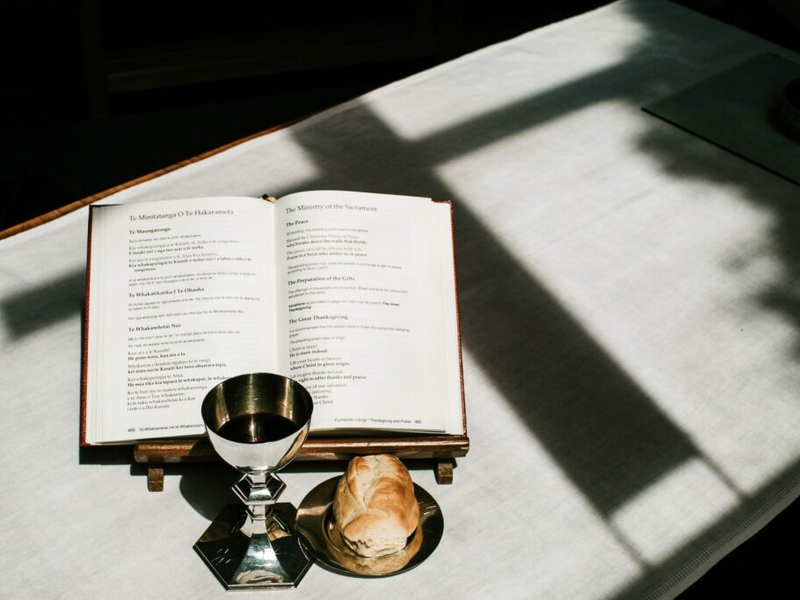
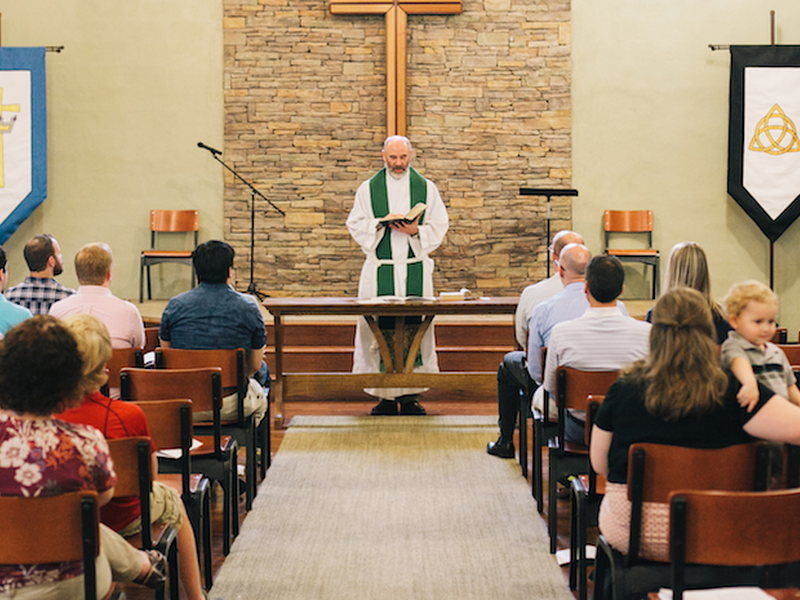
Christians, Liturgy, and the Past, (Part 1)

Over the last few years, I have had frequent cause to return to the question of the ways in which the past and its forms of liturgy should be handled within the Church today. Keeping faith with the past is seldom as straightforward an endeavour as it might initially appear,…

by Alastair RobertsJune 9, 2015
medievalilluminatedmanuscript
Hermeneutics

The Dramatic Structure of Proverbs

The book of Proverbs appears as a largely random collection of aphorisms drawn from experience saturated in law. Despite its random arrangement, however, the book does have an over-arching structure that reinforces its main themes. One way to gather clues regarding the structure of a biblical book (or any book)…

by Peter LeithartJune 4, 2015
milwaukee
Charity

Mission to Milwaukee

Prior to attending the week-long intensive course on Holistic Mission, my wife and I were living two counties away from Milwaukee, in the comfortably quiet and rural village of Slinger, Wisconsin. In God’s providence, after nearly ten years of living in Slinger, we realized some changes to our comfortable and…

by Jonathan SedlakJune 2, 2015
james-coleman-orks2dpueo0-unsplash
Bonaventure

One Body and One Loaf: Eucharistic Unity Through the Theology of St. Bonaventure

I have many Roman Catholic friends. Leading from my time at Saint Louis University and continuing through various scholarly engagements I often get an opportunity to discuss history and theology with Roman Catholics who are very well educated in their tradition and practice, some of whom are leading scholars in…

by Timothy LeCroyMay 28, 2015
107394ab
Theopolis News

Music in Life and Liturgy

Theopolis ended its second year of operation with its Pentecost Term course on Music in Life and Liturgy last week. Co-taught by Ken Myers of Mars Hill Audio and scholar-in-residence James Jordan, the Music course was the largest Theopolis course yet. Sixteen pastors, seminary students, and music ministers from nine…

by TheopolisMay 26, 2015

Showing page 152 of 309

See all
See all
Literature

Seneca’s failure

Wallace again on Timon of Athens . Wallace argues that Shakespeare has written a play to explore Seneca’s society of benefits and gratitude, and shows that the classical model of social order is impossible: “the cast would appear to have been designed to test the Senecan hypothesis about the nature…

November 1, 2007
Philosophy

Elizabethan Seneca

Wallace again on Seneca in Shakespeare: “The first separat e publication of De Benficiis in an English translation was Nicholas Haward’s The Line of Liberalitie in 1569, which included only the first three books, but William Baldwin’s popular Treatise of Morall Philosophie had appeared in 1547 and contained one chapter…

November 1, 2007
Literature

Senecan Shakespeare

In a 1986 article in Modern Philology , John Wallace argues that Timon of Athens is “Shakespeare’s Senecan Study,” reflecting on the issues raised by Seneca’s de Beneficiis : “Shakespeare must have been thinking of Seneca, but a safer argument could have been constructed on the premise that Shakespeare was…

November 1, 2007
Literature

Roman trilogy

Paul Cantor describes three of Shakespeare’s Roman plays as a trilogy, moving from the Republic ( Coriolanus ) to the early empire ( Julius Caesar ) to the decadence of Octavian ( Antony and Cleopatra ). Together they form “a kind of historical trilogy, dramatizing the rise and fall of…

November 1, 2007

Fat, Body Parts, Liver Lobes

In her Leviticus as Literature , the late Mary Douglas offers some interesting possibilities for interpreting the prohibition of eating fat and for the arrangement of animal portions on the altar. Her interpretation is guided by her recognition of analogies between Sinai, the tabernacle, and the body, both of the…

November 1, 2007

Showing page 1612 of 2212

Browse by Category

In Medias Res

Your weekly digest for all things Theopolis.

Donate

Theopolis is nearly 100% donor-supported. Consider joining us on our mission.