Theopolis Logo

Writing

Explore our collection of theological essays, biblical studies, and reflections on faith and culture.

See all
tianyi-ma-wionhd_zyi4-unsplash-1
Technology

Simulation as Inoculation

Every advent of new media creates the justifiable reaction from some that the necessarily accompanied amputation may not be worth the extension made possible by the new tools. This is not unique to the Digital Age. Lamoignon Malesherbes, the French politician who was counsel for the defense of Louis XVI,…

by Garrett SoucyApril 2, 2024

kevin-butz-ona0c3vqoae-unsplash
Eschatology

Reject Optimism

A response to Gage Crowder's " The Hole in our Hope ?" Already, the first pages of the Bible promise a bright future. The story starts with the creation of heaven and earth, where heaven is perfect, but the earth is in a state of formless emptiness. Yet, God takes…

by Bogumil JarmulakMarch 27, 2024
kelly-sikkema-aageorr0iqs-unsplash
Eschatology

The Hole in our Hope? A Rejoinder

A rejoinder to Bubu Jarmulak's essay, " Embrace Pessimism ." Whereas calumnious critiques are reflections of more on the critic than the work criticized, good critiques are always opportunities for reassessment and improvement if they are received as such . Since its renaissance, the biblical doctrine of postmillennialism—or “optimistic eschatology,”…

by Gage CrowderMarch 26, 2024
k-mitch-hodge-ljyzwxftv44-unsplash
Biblical Studies

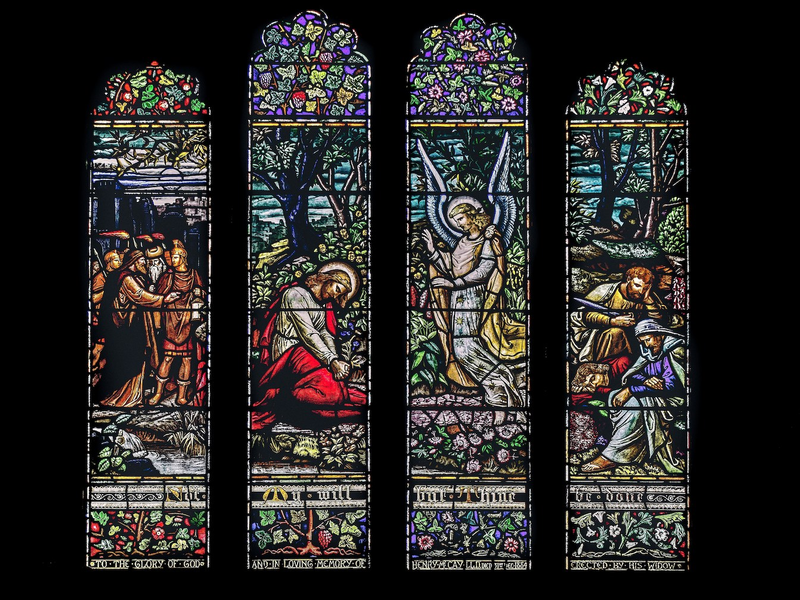
Jesus Did Not Pray to Avoid the Cross at Gethsemane

Several decades ago, a pastor (and friend) mentioned in passing at one of our regular breakfasts together that he wasn’t satisfied with the usual reading of Jesus’s prayer in Gethsemane, the usual reading being that Jesus asked the Father to avoid the Cross at Gethsemane. We turned to the passage,…

by James R. RogersMarch 19, 2024
alexandre-dinaut-alh1npgebd4-unsplash
Church Music

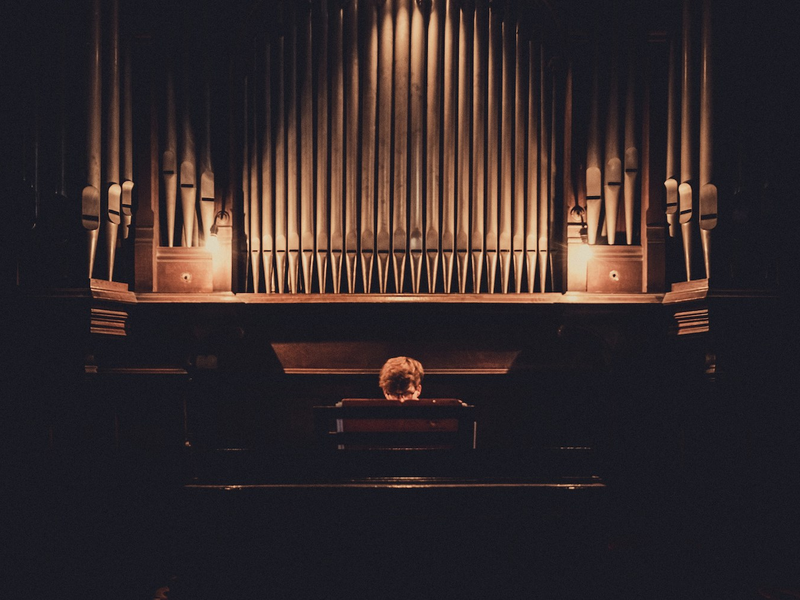
Holy Toledo: A Critique of Eclecticism

On May 21, 1604, the cathedral of Toledo in Spain held job interviews for the post of choirmaster, the head of music at the church. The position had been vacated when the previous occupant, Alonso Lobo, was poached by the nearby cathedral of Seville, and Toledo needed a replacement who…

by John AhernMarch 5, 2024
kelly-sikkema-ggs0_g6wi-i-unsplash
Covenant

The Docetic Covenant and Phantom Church Membership

Imagine — counterfactually: on the night he was betrayed, the Lord Jesus held up an empty hand and said, ‘This is the blood of the covenant poured out for you. Drink of it.’ But there was no cup, no wine, nothing. If there’s no sign of the covenant, is there…

by John CarpenterFebruary 27, 2024

Showing page 22 of 309

See all
See all
Literature

Seneca’s failure

Wallace again on Timon of Athens . Wallace argues that Shakespeare has written a play to explore Seneca’s society of benefits and gratitude, and shows that the classical model of social order is impossible: “the cast would appear to have been designed to test the Senecan hypothesis about the nature…

November 1, 2007
Philosophy

Elizabethan Seneca

Wallace again on Seneca in Shakespeare: “The first separat e publication of De Benficiis in an English translation was Nicholas Haward’s The Line of Liberalitie in 1569, which included only the first three books, but William Baldwin’s popular Treatise of Morall Philosophie had appeared in 1547 and contained one chapter…

November 1, 2007
Literature

Senecan Shakespeare

In a 1986 article in Modern Philology , John Wallace argues that Timon of Athens is “Shakespeare’s Senecan Study,” reflecting on the issues raised by Seneca’s de Beneficiis : “Shakespeare must have been thinking of Seneca, but a safer argument could have been constructed on the premise that Shakespeare was…

November 1, 2007
Literature

Roman trilogy

Paul Cantor describes three of Shakespeare’s Roman plays as a trilogy, moving from the Republic ( Coriolanus ) to the early empire ( Julius Caesar ) to the decadence of Octavian ( Antony and Cleopatra ). Together they form “a kind of historical trilogy, dramatizing the rise and fall of…

November 1, 2007

Fat, Body Parts, Liver Lobes

In her Leviticus as Literature , the late Mary Douglas offers some interesting possibilities for interpreting the prohibition of eating fat and for the arrangement of animal portions on the altar. Her interpretation is guided by her recognition of analogies between Sinai, the tabernacle, and the body, both of the…

November 1, 2007

Showing page 1612 of 2212

Browse by Category

In Medias Res

Your weekly digest for all things Theopolis.

Donate

Theopolis is nearly 100% donor-supported. Consider joining us on our mission.