Theopolis Logo

Writing

Explore our collection of theological essays, biblical studies, and reflections on faith and culture.

See all
1ramoth-baptist-church-of-christ-7-bible
Pastoral Ministry

Rural Church Growth

I've pastored a very rural church for well over a decade. Our town has about 1,000 people and will never grow until Jesus returns. 38 people attend our worship on Sundays. Here's a quick list of what we’ve done to grow our church, and what I’ve done to survive pastorally.…

by TheopolisAugust 10, 2017

tim-marshall-k2u71wv2ei4-unsplash
Art

Letter to a Young Artist

Thanks for sharing so honestly about your current crisis of creativity. I totally understand and relate to that; it’s happened many times in my musical life thus far, and I’ve begun to accept it as a normal rhythm of the creative process. I actually went through a serious dry spell…

by Joel ClarksonAugust 8, 2017
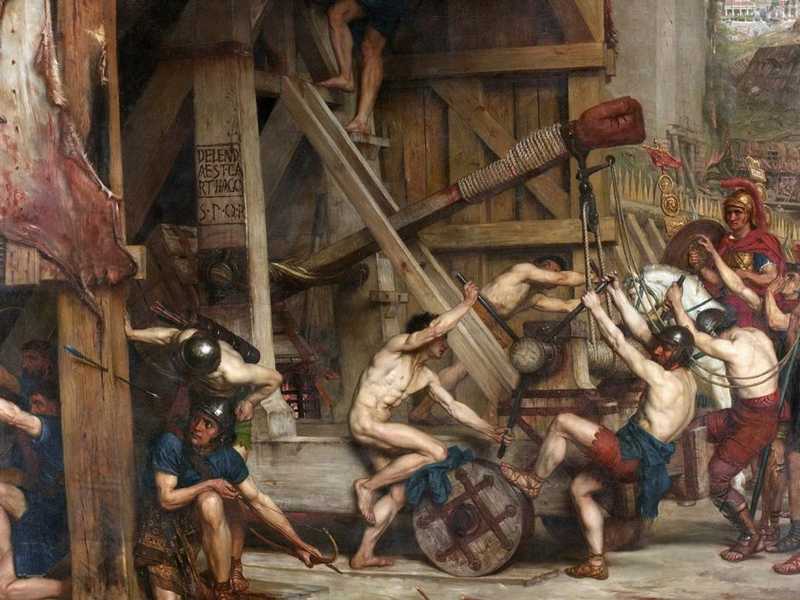
catapult-poynter-crop-ti
Biblical Theology

Stones and Fruit: Divination and Procreation – (Part 3)

The Broken Stones of Israel At Sinai, the tablets of the Law of Moses were broken and restored. The Old Testament is a history of “new covenants,” including that promised in Jeremiah and fulfilled in Zechariah. Ultimately, the vertical Oath and the horizontal Sanctions met in the death of Jesus…

by Mike BullAugust 3, 2017
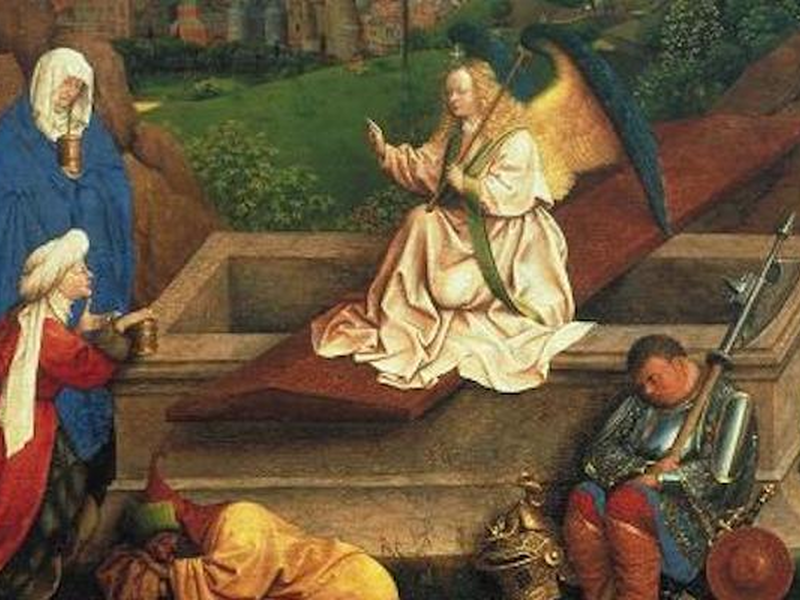
resurrection-2
Isaiah

God's Market, the Church

Woe to the sinful nation. Woe to those who enlarge their estates and build their portfolios. Woe to the drunks. Woe to those who call evil good and good evil. Woe to the proud who are wise in their own eyes. Woe to Congressmen who pass unjust laws and to…

by Peter LeithartAugust 1, 2017
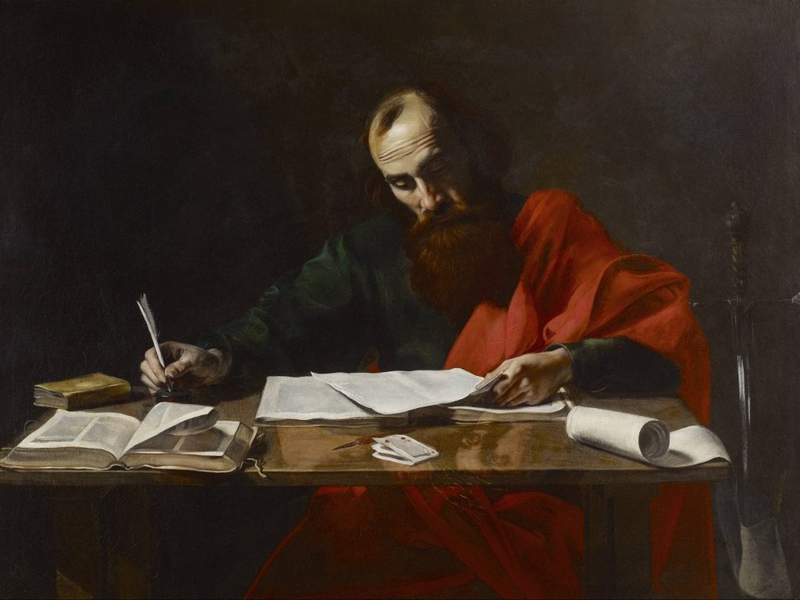
paul
Romans

In the Flesh: Then and Now

The interpretation of Romans 7:7-25 is notoriously difficult. Good scholars disagree on many aspects of the passage, but the central interpretative difficulty concerns the identity of the “I.” Is Paul referring to himself? Is Paul referring to himself pre- or post-conversion? Does the “I” refer to Adam? Is the “I”…

by Bill SmithJuly 27, 2017
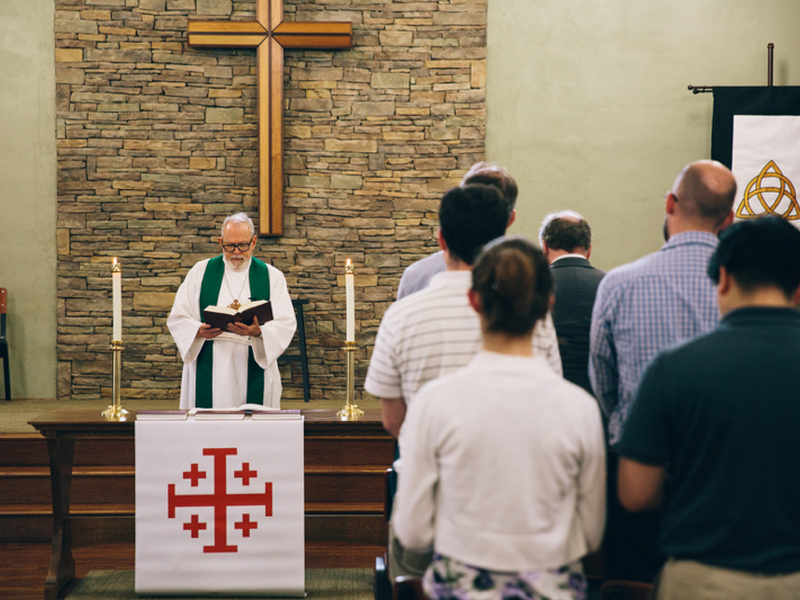
e99a1883
How to Worship

The Minister's Uniform

You board the Metra train at Arlington Heights station one afternoon, heading to downtown Chicago for some sight-seeing. As the train departs from the station, a man in jeans, a striped t-shirt, and a Kansas City Royals baseball cap enters your train car, and begins asking to see each passenger’s…

by Jon HerrJuly 25, 2017

Showing page 108 of 309

See all
See all

Ideology of the Picturesque

In The Historical Austen , William Galperin notes that Austen understood that certain kinds of realistic art or aesthetics could naturalize and “realize” what is really only an ideological construct. And he notes the somewhat surprising political ramifications of such aesthetic theories. He points to the theory of the picturesque,…

August 11, 2007

Root of bitterness

Watch that no root of bitterness grow up, Hebrews 12:15 warns. What’s a root of bitterness? Sounds like someone who’s bitter in the church. But Deuteronomy 29:18 uses a similar phrase to describe those who turn aside from Yahweh to serve other gods. This fits the context of Hebrews very…

August 9, 2007

Cursed joylessness

Yahweh curses Israel for breaking covenant. More specifically, Israel will become a sign and wonder to the nations “because you did not serve Yahweh your God with joy and a glad heart, for the abundance of all things” (Deuteronomy 28:47). What satisfies God is not just obedience, but joyful obedience.

August 9, 2007
Literature

Austen and the Stuarts

In her history of England, written at 15, Austen declares her favor toward the Stuart dynasty. She writes comically, but beneath the fun she is in earnest. Irene Collins notes that her mother, Cassandra Leigh “liked to remember that her ancestor Thomas Leigh had received a baronetcy for welcoming Charles…

August 7, 2007
Literature

Jane Austen and the Presbyterians

Austen was a life-long Anglican, born to a C of E clergyman, with many C of E ministers in her extended family and ancestry and circle of acquaintances. Irene Collins notes, “Her maternal grandfather and her great uncle had been clergymen; so were her godfather, one of her uncles, two…

August 7, 2007
Literature

Christian politeness

Vicesimus Knox (1752 - 1821) - English minister, essayist, and campaigner for the end of war - was educated at St. John’s Oxford, where George Austen (1731-1805), Jane’s father, was a student and tutor in classics, and Knox later became Headmaster of Tonbridge School, which George Austen had attended as…

August 7, 2007

Showing page 1650 of 2212

Browse by Category

In Medias Res

Your weekly digest for all things Theopolis.

Donate

Theopolis is nearly 100% donor-supported. Consider joining us on our mission.