Theopolis Logo

Writing

Explore our collection of theological essays, biblical studies, and reflections on faith and culture.

See all
tianyi-ma-wionhd_zyi4-unsplash-1
Technology

Simulation as Inoculation

Every advent of new media creates the justifiable reaction from some that the necessarily accompanied amputation may not be worth the extension made possible by the new tools. This is not unique to the Digital Age. Lamoignon Malesherbes, the French politician who was counsel for the defense of Louis XVI,…

by Garrett SoucyApril 2, 2024

kevin-butz-ona0c3vqoae-unsplash
Eschatology

Reject Optimism

A response to Gage Crowder's " The Hole in our Hope ?" Already, the first pages of the Bible promise a bright future. The story starts with the creation of heaven and earth, where heaven is perfect, but the earth is in a state of formless emptiness. Yet, God takes…

by Bogumil JarmulakMarch 27, 2024
kelly-sikkema-aageorr0iqs-unsplash
Eschatology

The Hole in our Hope? A Rejoinder

A rejoinder to Bubu Jarmulak's essay, " Embrace Pessimism ." Whereas calumnious critiques are reflections of more on the critic than the work criticized, good critiques are always opportunities for reassessment and improvement if they are received as such . Since its renaissance, the biblical doctrine of postmillennialism—or “optimistic eschatology,”…

by Gage CrowderMarch 26, 2024
k-mitch-hodge-ljyzwxftv44-unsplash
Biblical Studies

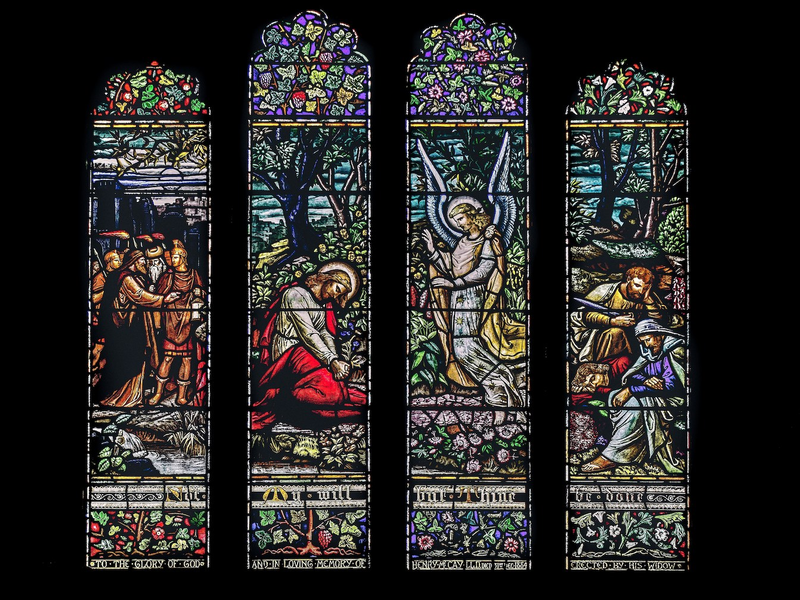
Jesus Did Not Pray to Avoid the Cross at Gethsemane

Several decades ago, a pastor (and friend) mentioned in passing at one of our regular breakfasts together that he wasn’t satisfied with the usual reading of Jesus’s prayer in Gethsemane, the usual reading being that Jesus asked the Father to avoid the Cross at Gethsemane. We turned to the passage,…

by James R. RogersMarch 19, 2024
alexandre-dinaut-alh1npgebd4-unsplash
Church Music

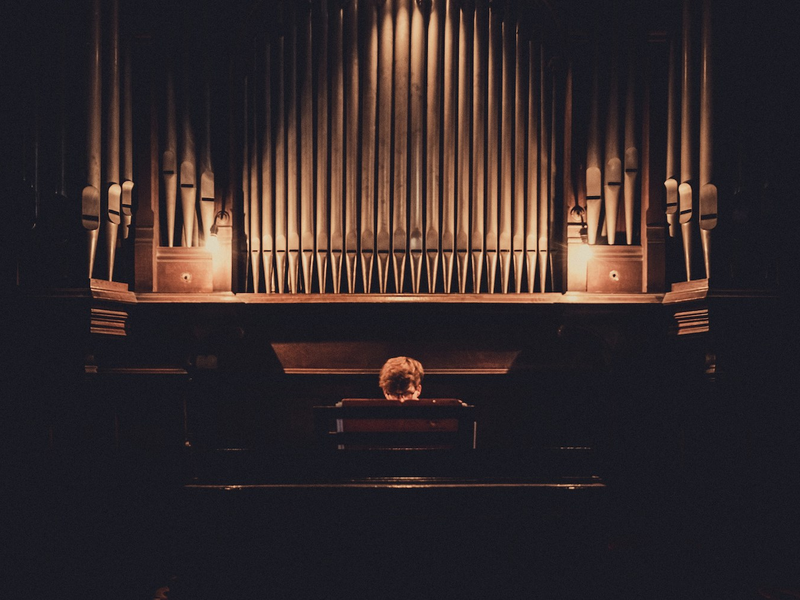
Holy Toledo: A Critique of Eclecticism

On May 21, 1604, the cathedral of Toledo in Spain held job interviews for the post of choirmaster, the head of music at the church. The position had been vacated when the previous occupant, Alonso Lobo, was poached by the nearby cathedral of Seville, and Toledo needed a replacement who…

by John AhernMarch 5, 2024
kelly-sikkema-ggs0_g6wi-i-unsplash
Covenant

The Docetic Covenant and Phantom Church Membership

Imagine — counterfactually: on the night he was betrayed, the Lord Jesus held up an empty hand and said, ‘This is the blood of the covenant poured out for you. Drink of it.’ But there was no cup, no wine, nothing. If there’s no sign of the covenant, is there…

by John CarpenterFebruary 27, 2024

Showing page 22 of 309

See all
See all
History

Smokin’ like a Christian

English fairs in earlier centuries displayed wares and displays from all over the world. At one there was an animal described as “a noble creature, which much resembled a Wild Hairy man” whose main skill was to doff his hat and show “his respects to the Company, and smoaks a…

October 14, 2006
Literature

The Moral of Henry V

Much of the moral and political import of Shakespeare’s Henry V is left to the audience’s or reader’s judgment. Is Henry a “pig” or is he the mirror of Christian kings? Is his invasion of France fair or foul? Shakespeare doesn’t show his hand, or not much; and one is…

October 14, 2006
Literature

The climax of Coriolanus

George Barnam notes the careful structure of Act 5 of Shakespeare’s Coriolanus: “Shakespeare had used this scene structurally to build the tension toward the climactic moment when Volumnia should appeal to her son and prevail. Three appeals are made to Marcius, and Shakespeare’s presentation of them matches in structure the…

October 14, 2006
History

Sports and the sacred

A reader wrote to respond to my suggestion that high culture is “sacred” and pop culture “profane,” citing the example of sports. Here’s my response: A football game often is a quasi-religious experience, but I’m not sure we use the same language to describe it. If someone slashed da Vinci’s…

October 14, 2006
Literature

Desacralized drama

In their “cultural history” of English drama, Simon Shepherd and Peter Womack summarize the argument of Glynne Wickham concerning the divorce of stage and sacred: “The English stage - so the argument runs - was predominantly a religious one until Elizabethan Protestantism forced a separation between theatre and the central…

October 14, 2006
History

Civil war and criticism

As Marsden describes it, the growth of neoclassical literary sensibilities developed in part in reaction to the chaos and disorder of the English civil war - following in this regard the development of late 17th century political theory. Orderliness, definiteness, clarity became virtues, while ambiguity, double entendres, and inconclusiveness became…

October 13, 2006

Showing page 1777 of 2212

Browse by Category

In Medias Res

Your weekly digest for all things Theopolis.

Donate

Theopolis is nearly 100% donor-supported. Consider joining us on our mission.