Theopolis Logo

Writing

Explore our collection of theological essays, biblical studies, and reflections on faith and culture.

See all
sixteen-miles-out-d40gdcd_-he-unsplash-2
Matthew

Reading Matthew, Identifying Discourses: A Closer Look at the “Six-Discourse” Proposal

In a February blog post for the Theopolis Institute, Benoît Engel offers a thought-provoking challenge to the widely accepted five-discourse structure of Matthew’s Gospel, proposing a sixth discourse in Matthew 21:28–22:14 to reframe the Gospel’s chiastic center. As someone deeply invested in Matthew’s literary design—explored in my book Reading Matthew,…

by Jonathan SedlakJune 26, 2025

getty-images-2cytteec2ng-unsplash
2 Timothy

Avoid Foolish Disputes

Avoid foolish disputes, genealogies, contentions, and strivings about the law, for they are unprofitable and useless. Titus 3:9 Out of a deep love and care for the church, Paul tells Titus and those in the church to avoid four specific things: foolish disputes, genealogies, contentions, and strivings about the law.…

by Grant Van BrimmerJune 24, 2025
yucar-studios-cfr-v1quekw-unsplash-1
Baptism

The Indispensable Mark of Worship: Infant Baptism

Theopolis publishes many polemics, especially on the Sacraments. This piece does not necessarily reflect the views of Theopolis, her board, or her editors. -JW Whoever touches the dead body of any person shall be unclean seven days.He shall cleanse himself with the water on the third day and on the…

by Tommy ThompsonJune 19, 2025
zdenek-machacek-4nsuy3e5nec-unsplash
American Culture

Ecclesiocentric Life is Back

There is in the United States and the Western World some sort of religious revival occurring. Gen Z men—males born between ca 1997 and 2012—are flooding back in to churches. USA Today noted that Gen Z men—and to a lesser degree women—attending churches more than their millennial predecessors and they…

by Miles SmithJune 17, 2025
tanner-mardis-xuxghzhibn4-unsplash-1-2
Biblical Studies

Sceptical Text-Critical Hypotheses

The primary task of many Biblical scholars (as they see it) is to explain how and why the Biblical text acquired its final form—i.e., what source material it used, how that material was expanded/redacted, who expanded/redacted it, why they did so, what the weather was like at the time, etc.…

by James BejonJune 12, 2025
james-coleman-qej5dhl4mwq-unsplash-2
Galatians

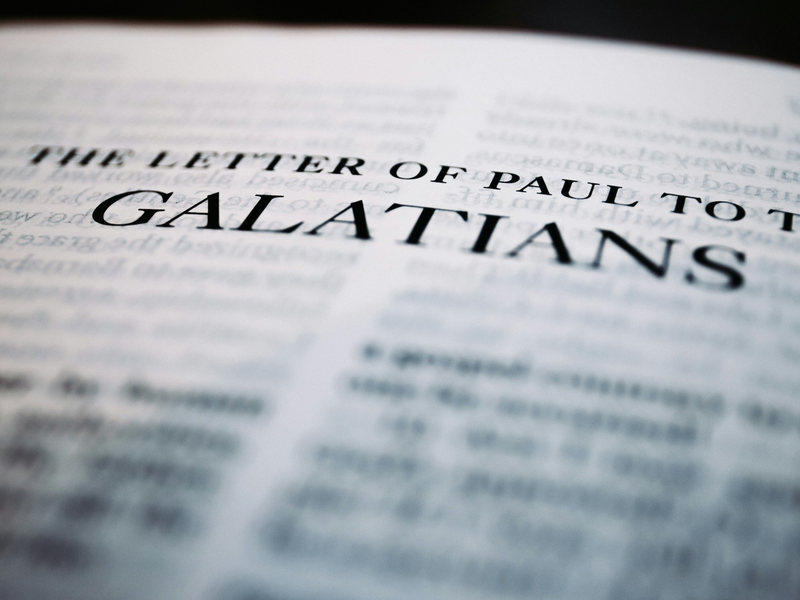
Flesh & Spirit in Galatia

Galatians 5:5-15 For through the Spirit, by faith, we ourselves eagerly wait for the hope of righteousness. For in Christ Jesus neither circumcision nor uncircumcision counts for anything, but only faith working through love. You were running well. Who hindered you from obeying the truth? This persuasion is not from…

by Jeff MeyersJune 10, 2025

Showing page 8 of 309

See all
See all

Jehoram and Elisha

The history of the Omrides during the ministry of Elisha takes a curious turn. Instead of confronting the king with his sin, as Elijah generally did, Elisha instead repeatedly gives assistance to the son of Ahab (2 Kings 3; 6-7). Jehoram wavers, sometimes whining, sometimes hostile to Elisha, ultimately respectful.…

October 27, 2005

New Joseph

Dothan is mentioned in only two places in the Old Testament: Gen 37, at the beginning of the Joseph narrative, and 2 Kings 6, the place where the Aramean king attempts to find Elisha. Jacob sends Joseph to take food to his brothers, and he initially does not find them…

October 27, 2005

Things that are not

Jacques Ellul helpfully points out that God frightens away the Arameans in 2 Kings 7 by a mere sound, and it is a sound that has no physical cause. God overcomes things that are, Ellul says, through things that are not.

October 27, 2005

Food in 1-2 Kings

A critical issue throughout 1-2 Kings is the question of who provides bread. Early on, it’s Solomon, whose table overflows with good things and who rules an Israel that is continuously rejoicing and feasting. Kings continue to supply tables after the division of the kingdom, but they are often tables…

October 27, 2005

Puns in 2 Kings 7

Iain Provan points to two entertaining puns in the story of the siege of Samaria in 2 Kings 6-7. The first puns on “lepers” (Heb. MISORAIM) and “Egypt” (Heb. MIZRAIM): The Arameans become frightened by the sound of an army, thinkin that Egyptians are attacking; it’s only lepers, though, scrounging…

October 27, 2005

Blood and life

In his recent Concordia commentary on Leviticus, John Kleinig gives a good summary of what I think is the best explanation of the blood prohibtiion of Lev 17: “many animists regard blood as the most potent of all ritual substances. The blood of an animal was either drunk or, more…

October 27, 2005

Showing page 1932 of 2212

Browse by Category

In Medias Res

Your weekly digest for all things Theopolis.

Donate

Theopolis is nearly 100% donor-supported. Consider joining us on our mission.