Theopolis Logo

Writing

Explore our collection of theological essays, biblical studies, and reflections on faith and culture.

See all
kelly-sikkema-aageorr0iqs-unsplash
Lent

Embrace Pessimism

Optimism is “an inclination to put the most favorable construction upon actions and events or to anticipate the best possible outcome.” 1 On the other hand, pessimism is “an inclination to emphasize adverse aspects, conditions, and possibilities or to expect the worst possible outcome.” We can see that optimism and…

by Bogumil JarmulakFebruary 21, 2024

michael-hamments-0vzptqdw2-i-unsplash-1
Biblical Theology

2 Trees of Eden & What They Mean: Knowledge of Good & Evil vs. Life

If we wish to understand the Tree of Life and the Tree of the Knowledge of Good and Evil, we must begin with seeing them as a part of the creational order. Trees, along with plants and seed-bearing things, come to life by the word of God as part of…

by Mark BriansFebruary 13, 2024
screenshot-2024-02-06-at-5-44-53-pm
Death

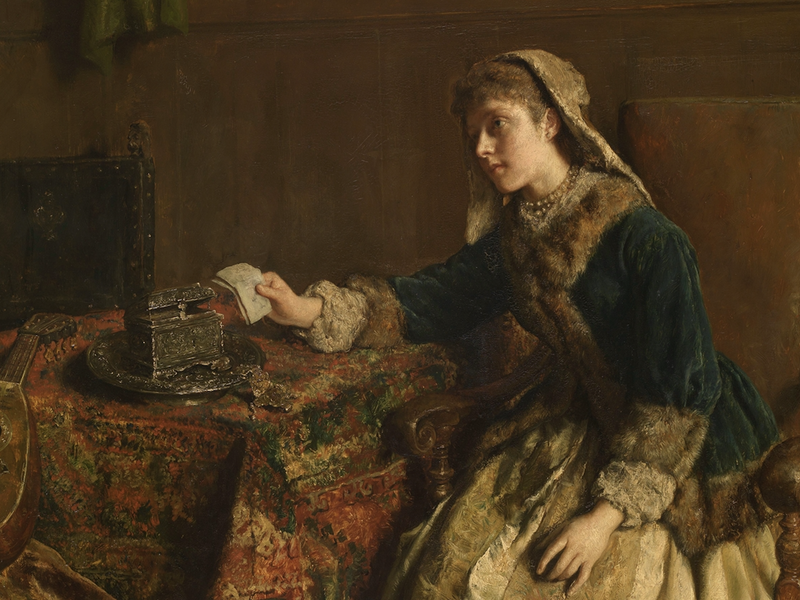
Training to Die

“I chant slips and irreversible disasters, wiltings, failures, scars, the little disappointments and the large, blue streaks down a world that wishes it was only suncolors.” Paul J. Pastor from Kintsugi Song I recently lost something very valuable. Something I’d had for years and used every day. But, it wasn’t…

by Mandi GerthFebruary 7, 2024
screenshot-2024-01-11-at-2-38-07-pm
Jonah

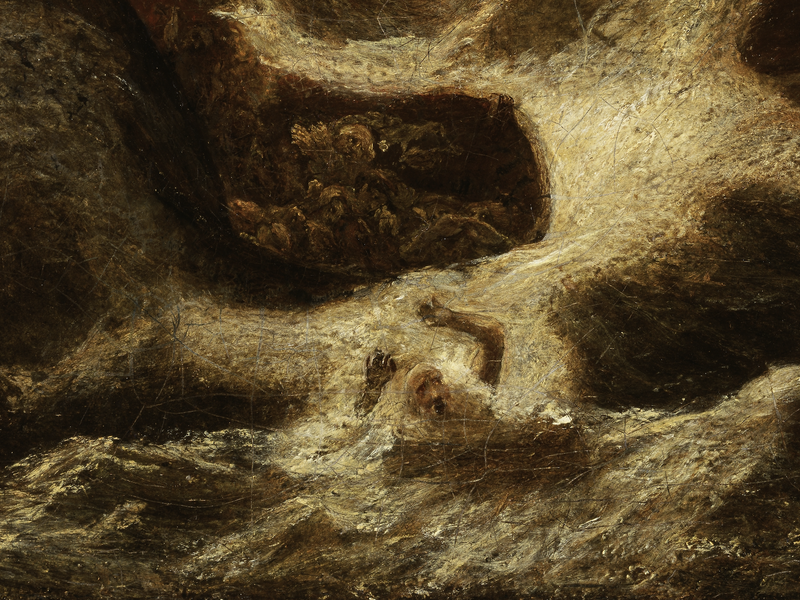
Jonah’s Backward Exodus

In his eponymous book, Jonah follows an exodus pattern. He travels through the waves and east of the city into the wilderness. On a first reading, it looks like another use of this common literary shape in the Old Testament: salvation through the waters of death and the wilderness of…

by Tim SuffieldJanuary 30, 2024
johann-siemens-epy0gbjzzzu-unsplash
Revelation

Where is the Tree of Knowledge in New Jerusalem?

“Everyone serves the good wine first, and when people have drunk freely, then the poor wine. But you have kept the good wine until now.” The unknowing master of ceremonies didn’t know how right he was. We see this play out in John’s apocalypse. The end is like the beginning,…

by David AppoldJanuary 23, 2024
sincerely-media-gf0ngcju5lw-unsplash
Luke

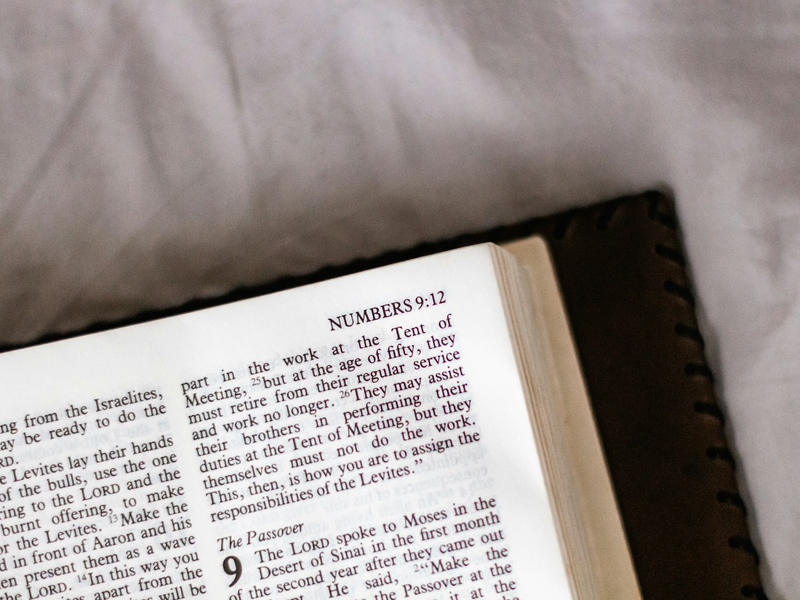
The Test of Adultery

Read in isolation, The Test of Adultery (Num 5:11-31) presents the reader with a seemingly bizarre ritual, conjuring up ideas bordering on the Salem Witch Trials. Beyond this, pressing questions linger—such as, “Why is the woman in particular singled out, while no test is provided for the husband of a…

by Ben LoveladyJanuary 17, 2024

Showing page 23 of 309

See all
See all

Camels

When the nations bring their treasures to Zion (Isaiah 60:6), they come with camels. It’s an unusual site. The patriarchs have camels (the word is used 18x in Genesis 24 alone, 25x in Genesis). After that, camels are typically the mounts for Gentile visitors or invaders. Midianites riding camels swarm…

January 8, 2014

Dreadful joy

When Zion sees her sons and daughters returning home in the arms of the nations, she is stunned (Isaiah 60:5). Her heart trembles ( pachad ; cf. Deuteronomy 28:66-67) and grows large ( rachab ; cf. Isaiah 54:2). In short, she has a heart attack, and a flushed face to…

January 8, 2014
Uncategorized

Transformed Enlightenment

Romanticism is often seen as a reaction against the Enlightenment. Louis Dupre thinks that’s too simplistic ( The Quest of the Absolute: Birth and Decline of European Romanticism , 4-5). Rather, Romanticism transforms the values of the Enlightenment by turning them into a sublime. Dupre writes, “Romanticism incorporates what the…

January 8, 2014

Forgetful

Augustine puzzled over the mysteries of memory and forgetfulness. Where are memories “stored”? Where do they go when we forget something? You forget where you left your phone, or forget what you were going to say, and then it comes back to you. Where was it in the meantime? Forgetfulness…

January 8, 2014
Philosophy

Kierkegaard the Catholic?

In his introduction to Kierkegaard’s Kierkegaard’s Attack Upon “Christendom” 1854-1855 , Walter Lowrie suggests that Kierkegaard was “moreevidently andmore fundamentally a Catholicor perhaps it would be better to say,more consciously in revolt against Protestantism.” His evidence: “This-appears plainlyin the Instant by his insistence upon works , and by the fact…

January 7, 2014

Final Cause

Modernity is marked by the reduction of causes to efficient causes, and the elimination of final causation, of teleology or purpose.Final causes are not so easily eliminated, Hart argues ( The Experience of God: Being, Consciousness, Bliss , 78-9). Our experience is not “an immediate perception of phenomena - appearances,…

January 7, 2014

Showing page 713 of 2212

Browse by Category

In Medias Res

Your weekly digest for all things Theopolis.

Donate

Theopolis is nearly 100% donor-supported. Consider joining us on our mission.