Theopolis Logo

Deuteronomy

50 articles

bestiary
Anthropology

Anthropomorphism and Christian Humanism

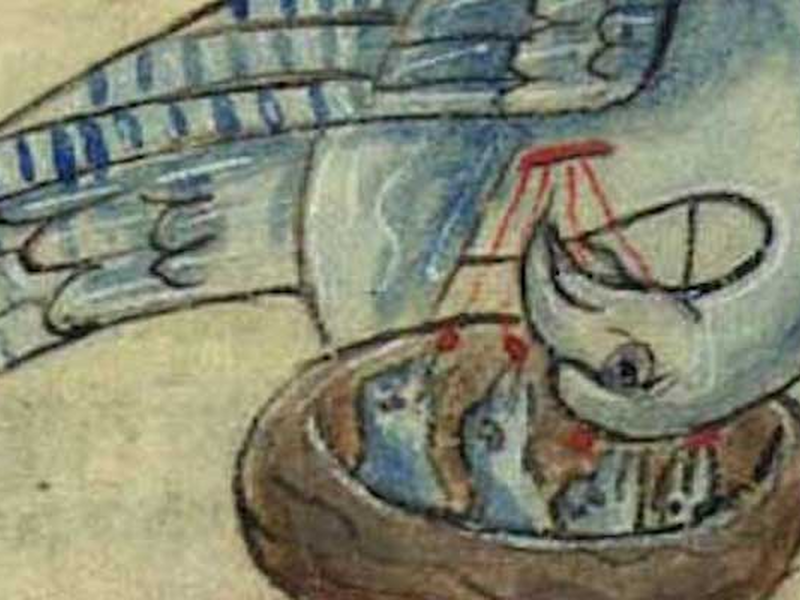
Medieval bestiaries are packed with quaintly inaccurate information about animals, birds, and other created things. Foxes and snakes are devilish critters; stags, pelicans and elephants are Christlike in their various ways. Of course, the medievals picked this up from the Bible, where bestiary observations are fairly common. “Go to the…

by Peter LeithartFebruary 2, 2017
hebrew-manuscript
Biblical Studies

Hear, O Israel!

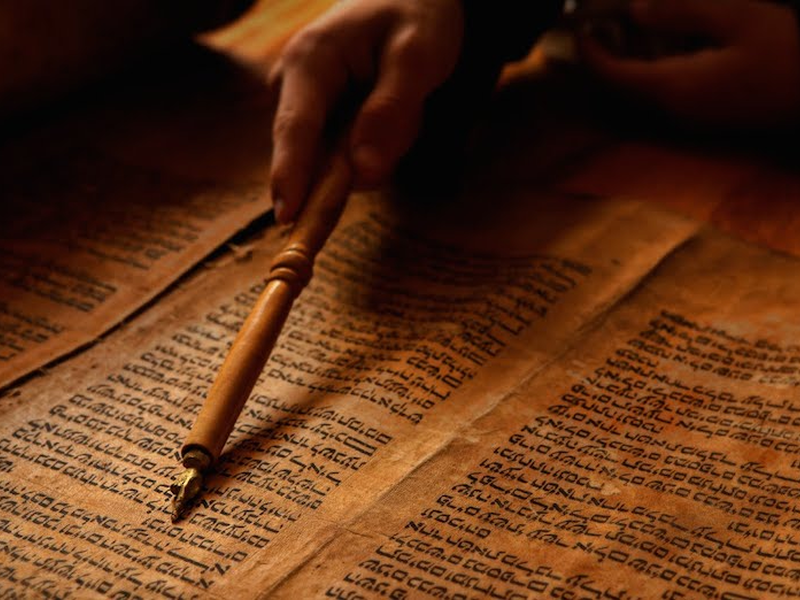
In the last 40 odd years of studying the Bible, I have read more essays and commentaries on Deuteronomy 6:4 than I can recall. I have also more than twice changed my view on what should be the correct translation of Israel’s central confession. What is so complicated? After the…

by Ralph Allan SmithJanuary 17, 2017
13071-probablyvalentindeboulogne-saintpaulwritinghi-1
Deuteronomy

Paul the Levir

The church in Corinth was a pastoral nightmare. Factionalism, sexual immorality, incipient syncretism, using the church as a stage for self-promotion, and denial of the final resurrection were just some of the problems. In Paul’s first letter to the Corinthian church, he confronts each of these problems directly and in…

by Bill SmithMay 5, 2015
sixteen-miles-out-al48tflf4e8-unsplash
Matthew

The Least Of These

Jesus is the last and greatest of the Prophets. He is the Prophet that Moses predicted (Deuteronomy 18). That means He gives the final word, brings the blueprints for the final temple, speaks the final world into existence, and has complete and permanent access to the divine court, where He…

by Peter LeithartSeptember 17, 2014
lili-popper-lu15z1m_kfm-unsplash
Deuteronomy

A Good Land

Deuteronomy 8 is organized as a new chiasm: A. Remember and do commandments, 8:1-2 B. Manna and clothing in the wilderness, 8:3-4 C. Know in your heart that Yahweh disciplined you, 8:5-6 D. The good land, 8:7-10 C'. Do not be proud in heart, 8:11-14 B'. Manna and water, 8:15-17…

by Peter LeithartSeptember 8, 2014
engin-akyurt-uz9qpvbol0e-unsplash
Revelation

White Stone

Jesus promises the overcomers of Pergamum "hidden manna" and a "white stone." The hidden manna is often linked with the manna stashed away in the ark of the covenant. The white stone has proved more elusive. Exodus tells us that manna was white (Exodus 16:31) and like bdellium (Numbers 11:7),…

by Peter LeithartMarch 17, 2014
screen-shot-2022-05-12-at-12-07-23-pm
Deuteronomy

Victory Food

In the nature of the case, “the” Christian meditation on Deuteronomy 14:1-21 cannot be written. Meditation offers too many possibilities, opens too many doors. There is not one and only one correct set of associations for a Christian to consider when thinking of Deuteronomy 14:1-21. We could, for example, consider…

by Ralph Allan SmithAugust 21, 2013
ben-white-w8qqn1pmqh0-unsplash
Deuteronomy

You are what you eat

Deuteronomy 14 is full of allusions to events of Israel’s history and other portions of Scripture. What would an Israelite learn by mediation on these allusions? The answer, I believe, is at least fourfold. Faith, Worship, War For the ancient Israelite first hearing Moses’ sermon, or perhaps hearing it read…

by Ralph Allan SmithAugust 15, 2013
chris-bair-ndczc5739ck-unsplash
Deuteronomy

Holy Things for Holy People

The allusion to the Exodus story is contained in the first words of Deuteronomy 14:1 — “ye are the sons of Yahweh your God” — as well as in 14:2 in the use of the technical term translated “treasured possession,” “His own possession,” “peculiar people,” “precious people,” and so forth.…

by Ralph Allan SmithAugust 5, 2013

Showing page 2 of 5

In Medias Res

Your weekly digest for all things Theopolis.

Donate

Theopolis is nearly 100% donor-supported. Consider joining us on our mission.