Theopolis Logo

Writing

Explore our collection of theological essays, biblical studies, and reflections on faith and culture.

See all
sinitta-leunen-dvibhmzsy8e-unsplash
Epistemology

A Cheer for the Mystics

Mystical theologians are often unguarded, extreme, un-nuanced, pressing to the edges of heresy, sometimes beyond. Still, the mystics are worthy of study. Why? Many reasons. Unlike some late medieval and post-Reformation dogmaticians, mystical theologians are often instinctively and richly Trinitarian. Historical-critical approaches to Scripture left mystical theologians virtually untouched; mystics…

by Peter LeithartSeptember 2, 2013
portrait-of-william-shakespeare-1564-1616-ca-1865
Literature

Shadow and Substance in Shakespeare's Venice

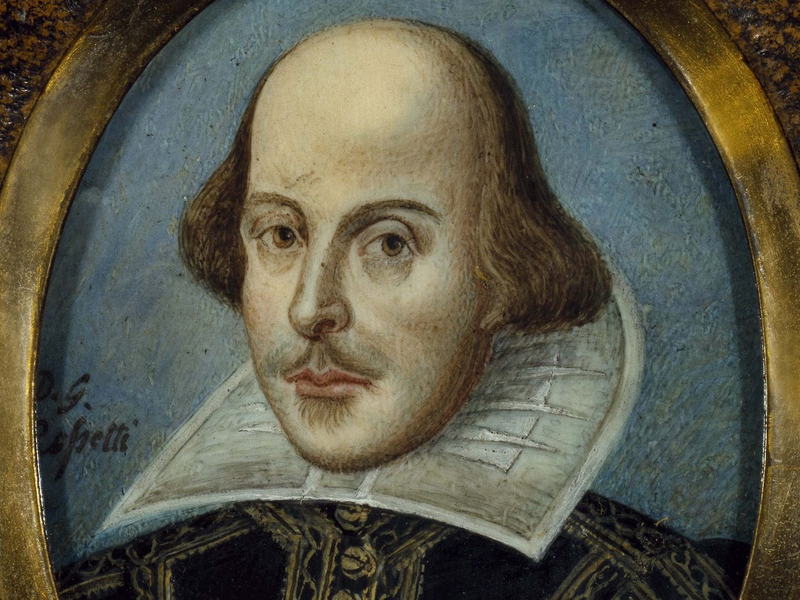
Portia of Belmont is a “lady richly left,” as Bassanio says of her in the first Act of The Merchant of Venice . Plus, she’s beautiful and wise. Suitors clamber to Belmont in hope. Her father knew it would be so, and in his will set up a fairy-tale test…

by Peter LeithartAugust 28, 2013
carlo-alberto-burato-smdx3gleu_m-unsplash
Liturgy

Liturgy Traps

[fve]http://vimeo.com/72195198[/fve]

by James B. JordanAugust 26, 2013
screen-shot-2022-05-12-at-12-07-23-pm
Deuteronomy

Victory Food

In the nature of the case, “the” Christian meditation on Deuteronomy 14:1-21 cannot be written. Meditation offers too many possibilities, opens too many doors. There is not one and only one correct set of associations for a Christian to consider when thinking of Deuteronomy 14:1-21. We could, for example, consider…

by Ralph Allan SmithAugust 21, 2013
aaron-burden-1ebsmyrau-s-unsplash
Romans

David's Sin and Israel's Salvation, Part I

Having retold the story of the cumulative sin of Israel leading to the great atonement on the cross, Paul then reemphasizes that, just as both Jew and Gentiles were locked into sin and judgment, now they are both justified by faith: Then what becomes of our boasting? It is excluded.…

by Mark HorneAugust 20, 2013
ben-white-w8qqn1pmqh0-unsplash
Deuteronomy

You are what you eat

Deuteronomy 14 is full of allusions to events of Israel’s history and other portions of Scripture. What would an Israelite learn by mediation on these allusions? The answer, I believe, is at least fourfold. Faith, Worship, War For the ancient Israelite first hearing Moses’ sermon, or perhaps hearing it read…

by Ralph Allan SmithAugust 15, 2013

Showing page 189 of 309

See all
See all
History

Table Manners and Individualism

Elias notes that table manners reflect social relations more generally: “People who ate together in the way customary in the Middle Ages, taking meat with their fingers from the same dish, wine from the same goblet, soup from the same pot or the same plate . . . - such…

September 26, 2006
History

The Blasphemous Fork

Elias again: “In the eleventh century a Venetian doge married a Greek princess. In her Byzantine circle the fork was clearly in use. At any rate, we hear that she lifted food to her mouth ‘by means of little gold forks with two prongs.’ “This gave rise in Venice to…

September 26, 2006
History

Middle Class Counter-Enlightenment

Elias suggests that the blossoming of German literature in the late 18th century was largely led by middle-class writers and thinkers whose tastes and styles ran directly counter to the Francophile culture of Frederick’s court: “This German literary movement, whose exponents included Klopstock, Herder, Lessing, the poets of Sturm und…

September 25, 2006
Literature

Barbarous Shakespeare

A couple of weeks ago, I quoted Frederick the Great’s judgment that Shakespeare’s plays were fit only for “savages of Canada,” what with their “jumble of lowliness and grandeur, of buffoonery and tragedy,” their sins “against all the rules of the theatre, rules which are not at all arbitrary.” Frederick…

September 25, 2006

Structural and other notes on 1 John 1:5-2:11

A few scattered notes on this section of John’s first epistle. 1) There is a repeated emphasis on the contrast between word and action, word and walk. Three times John uses the clause “if we say that” (1:6, 8, 10), and another three times he uses “the one who says”…

September 25, 2006
Uncategorized

Sermon notes

INTRODUCTION John’s gospel is about the character of God: He proclaims that God is light, and has no darkness at all (1:5). This gospel comes with the demand to walk in the light (1:6). What does that mean? THE TEXT “This is the message which we have heard from Him…

September 25, 2006

Showing page 1787 of 2212

Browse by Category

In Medias Res

Your weekly digest for all things Theopolis.

Donate

Theopolis is nearly 100% donor-supported. Consider joining us on our mission.