Theopolis Logo

Writing

Explore our collection of theological essays, biblical studies, and reflections on faith and culture.

See all
or
Abortion

Political Hermeneutics: The Argument From Silence, Part 2

Click HERE for part 1. III This leads to a further question. I have argued that silence cannot by itself establish a Scriptural principle, but does Scripture’s silence carry any weight in itself? Does the fact that something is unbiblical in a weak sense tell us anything at all? In…

by Peter LeithartMarch 13, 1990
hebrew-manuscript-6
Biblical Chronology

Groping Through the Gaps

Although nowadays gap theories are associated with dispensationalism, it was not always so. In the nineteenth century, scholars from a variety of backgrounds (Anglican, Reformed, and proto-fundamentalist) seem to have become fascinated by gaps. If you are not familiar with what I am talking about, this newsletter will acquaint you…

by James B. JordanFebruary 26, 1990
or
Abortion

Political Hermeneutics: The Argument from Silence, Part 1

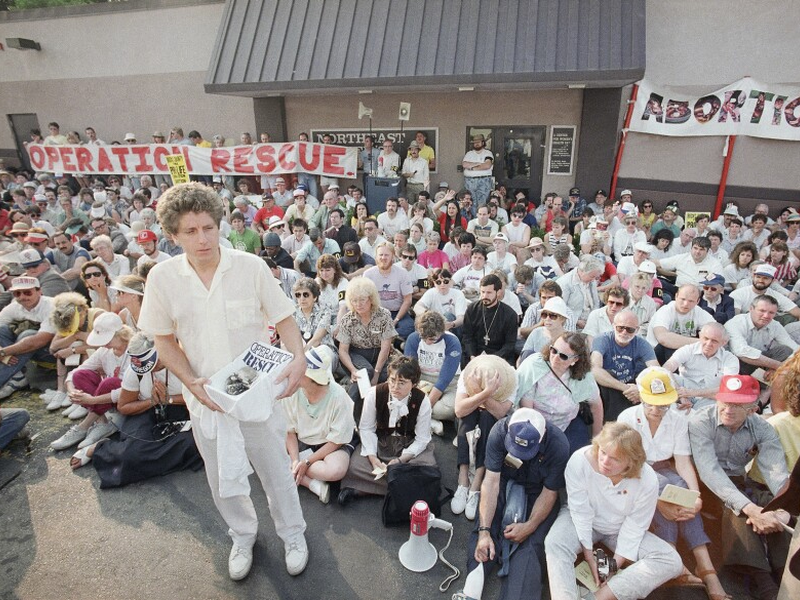
If the debate over Operation Rescue has proven anything, it has proven that there is absolutely no consensus among evangelicals in general, or among "reconstructionists" in particular, about how to use the Bible to judge political actions and movements. Each side of the debate claims biblical authority for its position,…

by Peter LeithartFebruary 13, 1990
49980-nicolas_poussin_-_the_judgment_of_solomon_-_wga18330-800w-tn
Biblical Studies

Advice From a Sojourner, Part 4

Two things I asked of Thee, Do not refuse me before I die: Keep deception and words of falsehood far from me, Give me neither poverty nor riches, Feed me with the food that it my portion, Lest I be full and deny Thee, And say, "Who is the LORD?"…

by James B. JordanFebruary 2, 1990
image-2
Biblical Horizons

Foucault’s Pendulum

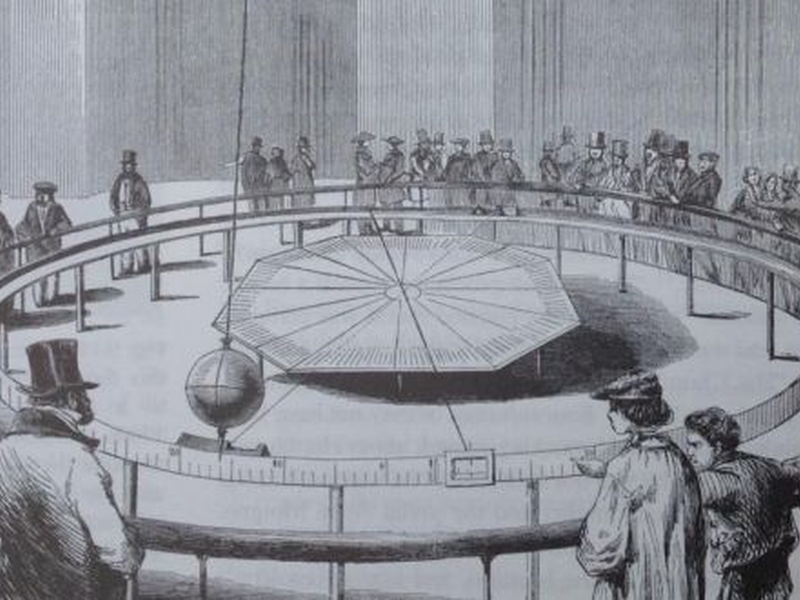
Umberto Eco’s "The Name of the Rose" was certainly one of the best literary works of the past decade, though the film version hardly measured up to it. Now Eco has given us a new novel, "Foucault’s Pendulum." Like Rose, Foucault’s Pendulum reflects on the limitations of human knowledge, and…

by James B. JordanJanuary 26, 1990
tanner-mardis-xuxghzhibn4-unsplash-1-2
Biblical Studies

What Is “Interpretive Maximalism”?

From time to time people ask me about "interpretive maximalism." They want to know what it is, and sometimes want to know if it represents some departure from the Reformed grammatico-historical, Biblico-theological approach to the Bible. I have something of a problem with these questions, because "interpretive maximalism" is not…

by James B. JordanJanuary 26, 1990

Showing page 305 of 309

See all

Showing page 24 of 43

See all

Restraining blood

Four angels at the four corners of the land hold back the winds that destroy (Revelation 7:1-3). Altars have corners, and at each corner is a “horn” that “stands” at attention. In the purification offering, blood is smeared on the four horns of the altar, turning the altar into a…

September 2, 2014

Sea-born

In a National Geographic interview , Marcus Rediker explains how ships provided the setting for developing some of the distinctive institutions and ideas of the modern world: “Large northern European seagoing vessels, which emerge in the 16th and 17th centuries, become by the 18th century the most important technology in…

September 2, 2014

Richard III, Black or White

Shakespeare’s Richard III is a black-hearted hunchbacked murderer. But there has been another legend of Richard III, as a gallant ruler, the victim of Tudor propaganda. Over the past century, the white legend has often prevailed over the black. Desmond Seward’s Richard III is mostly black, and that’s because he…

September 2, 2014

Fours

When John ascends to heaven, he sees four ( tessares ) living creatures, and in the scene in heaven they are mentioned five times (4:6, 8; 5:6, 8, 14). Then the Lamb begins to open the seals, and the four living creatures cry out. The sixth seal reveals four angels…

September 1, 2014

Winged Earth

This is an addendum to my reflections on wings a few weeks ago. Israel is sometimes conceived as a four-cornered land (Ezekiel 7:2), modeled after the four-cornered altar (Exodus 27:2; 38:2) or a four-cornered house (Job 1:19). Israelites are priests; their land is an altar where they make their daily,…

September 1, 2014

In God’s Path

Several factors need to be put back into the standard account of the Arab conquests of the seventh and eighth centuries, says Robert Hoyland in his forthcoming In God’s Path . The first is process. Speed plays such a large role in the standard accounts that we miss the variability,…

September 1, 2014

Showing page 538 of 2212

Browse by Category

In Medias Res

Your weekly digest for all things Theopolis.

Donate

Theopolis is nearly 100% donor-supported. Consider joining us on our mission.