Theopolis Logo

Writing

Explore our collection of theological essays, biblical studies, and reflections on faith and culture.

See all
robert-collins-tvc5imo5pxk-unsplash
Culture

Play is a Serious Business

“And the streets of the city shall be full of boys and girls playing in its streets,” Zachariah 8:5. 1. Ultimatum game Ultimatum Game is an economic experiment. Its rules are simple: I will give you $100 as long as you give part of that money to the person next…

by Bogumil JarmulakAugust 27, 2020
processed-with-vsco-with-c1-preset
Zechariah

The Nephilim Connection

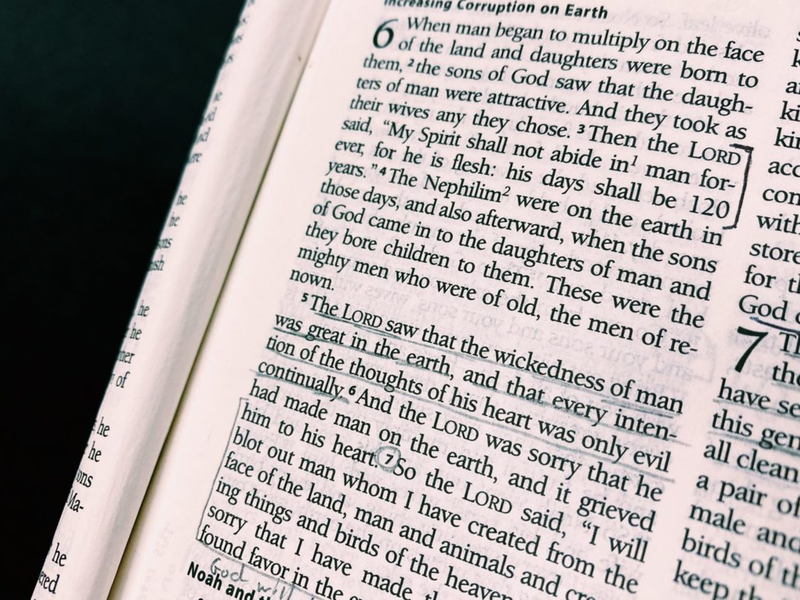
The Nephilim of Genesis 6 has been a topic of great speculation over the centuries. The word appears in Scripture two times, first in Genesis 6 and then in Numbers 13. There have been three major theories regarding the identity of the Nephilim : The Fallen-Angel Procreation Theory: this view…

by Uri BritoAugust 25, 2020
jason-blackeye-ap3lxi0fpjy-unsplash
Matthew

Coming on the Clouds

Jesus on trial was silent before all His accusers, until the high priest said to Him: “I adjure you by the living God, tell us if you are the Christ, the Son of God.” (Matthew 26:63) The high priest commanded Jesus to declare clearly whether or not He was the…

by Ralph Allan SmithAugust 20, 2020
e99a2549
How to Worship

On Covid19, the Nature of Church, and Reopening

Introduction In many ways I have been disheartened—and at times distraught—by how congregations across America have responded to Covid19, not in the first weeks when so much was unknown, but in the months since. I had, like most everyone, originally thought we'd be at home a few weeks, but from…

by Bo GrimesAugust 18, 2020
katsiaryna-endruszkiewicz-el-roodgn3s-unsplash
Ephesians

The Lost Bride

The dust settled as Yahweh clapped his hands together to knock off any remaining clumps of dirt and soil. He had just finished forming from the dust of the ground the crowning glory of his creation. There, lying lifeless upon the newly created earth, was the first image in Yahweh's…

by Kyle LammottAugust 11, 2020
aaron-burden-nbjsrii4x6u-unsplash
Preterism

Judgment, Preterism, and the Psalms

When reading the Psalms Christologically, it is one thing to see the prefigured sufferings of Christ and the subsequent glories. But what do we do with the passages concerning recompense, judgment, or vengeance? Are we to also read these Christologically, or are these vestigial Old Covenant ways of thinking, fit…

by Matthew PikeAugust 4, 2020

Showing page 64 of 309

See all

Showing page 25 of 43

See all
Literature

Ibsen

Ibsen, Steiner argues, did not write tragedies. Ibsen wrote “dramatic rhetoric” calling society to reform. For real tragedy, there is no such “solution” to be found, there is no remedy, except destructive sacrifice and perhaps a deus ex machina. From this angle, tragedy is perhaps among the STOICHEIA that prepared…

January 7, 2004
Literature

More Quotations from Steiner

Some more quotations from Steiner’s Death of Tragedy : “We cannot understand the romantic movement if we do not perceive at the heart of it the impulse toward drama . . . . The romantic mode is neither an ordering nor a criticism of life; it is a dramatization. And…

January 7, 2004
Theology

NT Wright’s Rutherford House Lecture

Some thoughts on NT Wright’s Rutherford House Lecture, August 2003. I have little disagreement with much of the lecture, and it clarified a number of things for me. Wright’s views on justification, however, continue to puzzle me at a number of points. Here’s an attempt to clarify my (or NTW’s)…

January 7, 2004
Theology

NT Wright’s Rutherford House Lecture

Some thoughts on NT Wright’s Rutherford House Lecture, August 2003. I have little disagreement with much of the lecture, and it clarified a number of things for me. Wright’s views on justification, however, continue to puzzle me at a number of points. Here’s an attempt to clarify my (or NTW’s)…

January 7, 2004
Literature

European Drama

Steiner notes that, following the Renaissance, European drama operated under the shadows of neo-classical and Elizabethan dramatic practice, the former “closed” and rigidly adhering to Aristotelian criteria, the other open and experimental. He discusses the theory of Thomas Rymer (a neo-classicist) at some length, concluding that the controversies that Rymer…

January 6, 2004
Literature

Shakespearean Difference

George Steiner in his Death of Tragedy describes the “Shakespearean difference” as mainly due to Shakespeare’s avoidance of fascination with Hellenic models: “The neo-classic view [which rigidified Aristotelian conceptions of tragedy] expresses a growing perception of the miracle of Greek drama. This perception was fragmentary. There were few translations of…

January 6, 2004

Showing page 2141 of 2212

Browse by Category

In Medias Res

Your weekly digest for all things Theopolis.

Donate

Theopolis is nearly 100% donor-supported. Consider joining us on our mission.