
Theopolis Logo

Writing

Explore our collection of theological essays, biblical studies, and reflections on faith and culture.

See all
robert-collins-tvc5imo5pxk-unsplash
Culture

Play is a Serious Business

“And the streets of the city shall be full of boys and girls playing in its streets,” Zachariah 8:5. 1. Ultimatum game Ultimatum Game is an economic experiment. Its rules are simple: I will give you $100 as long as you give part of that money to the person next…

by Bogumil JarmulakAugust 27, 2020
processed-with-vsco-with-c1-preset
Zechariah

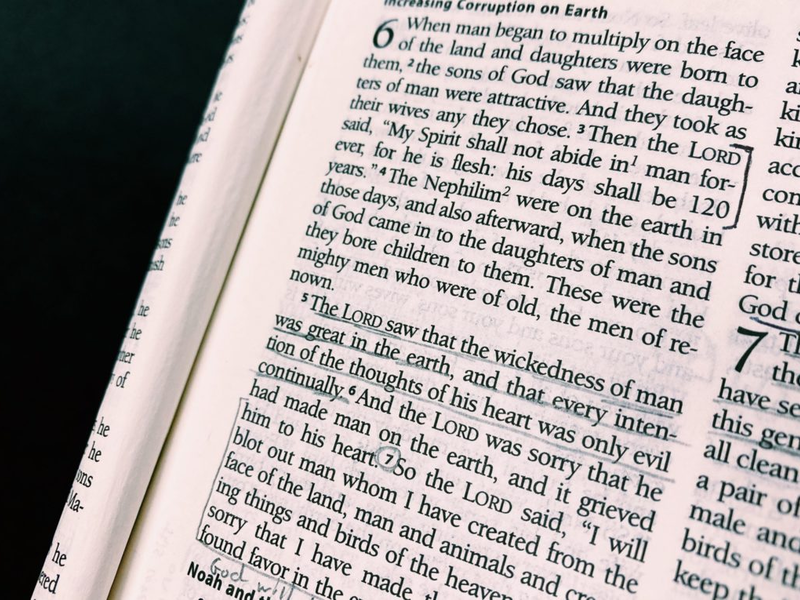
The Nephilim Connection

The Nephilim of Genesis 6 has been a topic of great speculation over the centuries. The word appears in Scripture two times, first in Genesis 6 and then in Numbers 13. There have been three major theories regarding the identity of the Nephilim : The Fallen-Angel Procreation Theory: this view…

by Uri BritoAugust 25, 2020
jason-blackeye-ap3lxi0fpjy-unsplash
Matthew

Coming on the Clouds

Jesus on trial was silent before all His accusers, until the high priest said to Him: “I adjure you by the living God, tell us if you are the Christ, the Son of God.” (Matthew 26:63) The high priest commanded Jesus to declare clearly whether or not He was the…

by Ralph Allan SmithAugust 20, 2020
e99a2549
How to Worship

On Covid19, the Nature of Church, and Reopening

Introduction In many ways I have been disheartened—and at times distraught—by how congregations across America have responded to Covid19, not in the first weeks when so much was unknown, but in the months since. I had, like most everyone, originally thought we'd be at home a few weeks, but from…

by Bo GrimesAugust 18, 2020
katsiaryna-endruszkiewicz-el-roodgn3s-unsplash
Ephesians

The Lost Bride

The dust settled as Yahweh clapped his hands together to knock off any remaining clumps of dirt and soil. He had just finished forming from the dust of the ground the crowning glory of his creation. There, lying lifeless upon the newly created earth, was the first image in Yahweh's…

by Kyle LammottAugust 11, 2020
aaron-burden-nbjsrii4x6u-unsplash
Preterism

Judgment, Preterism, and the Psalms

When reading the Psalms Christologically, it is one thing to see the prefigured sufferings of Christ and the subsequent glories. But what do we do with the passages concerning recompense, judgment, or vengeance? Are we to also read these Christologically, or are these vestigial Old Covenant ways of thinking, fit…

by Matthew PikeAugust 4, 2020

Showing page 64 of 309

See all
See all
History

Jewish/Non-Jewish Gnosis

In his history of Christianity, August Neander distinguished between gnostics who arose from within Judaism and those whose inspiration came from “Oriental” modes of thought. Here is his description of the Jewish sources of gnosticism: In the following respect, all these Gnostics agree ; they all held . . .…

December 21, 2007
History

Gnosticism and Samaritan theology

A few scattered notes from Jarl Fossum’s book examining the links between the figure of the “angel of Yahweh” in Samaritan theology and the “demiurge” of gnosticism. 1) Fossum points out that Simon Magus, legendarily the fountain of Gnosticism, venerated the Torah, and that some of the church Fathers said…

December 21, 2007
History

Gnosticism and Jewish Revolt

In a 2006 book on the origins of gnosticism, Carl B. Smith offers an alternative account of the connections of Judaism and gnosticism. According to the JETS reviewer: Smith “proposes that gnosticism arose in a social context of ‘alienated Judaism’ influenced by Greco-Roman and early Christian ideas in the aftermath…

December 21, 2007

Gnosticism and AD 70

In a book published in 1959, R. M. Grant attempted “to explain Gnosticism as arising out of the debris of apocalyptic-eschatological hopes which resulted from the fall or falls of Jerusalem.” According to a reviewer in Theology T0day , “Grant stresses the Jewish element which, as he rightly says, has…

December 21, 2007
History

Yahweh/Kronos

Origen says that the Ophite demiurge had the face of a lion and was connected with Saturn, and this has led some scholars to conclude that Jaldabaoth was a combination of Baal and Kronos. John of Damascus says that the Phoenicians held Kronos to be a kind of demiurge, and…

December 21, 2007
History

Jaldabaoth

According to Alfred Honig (writing in the late 19th century), the Ophite name for the demiurge, Jaldabaoth, comes from a Hebrew phrase meaning “child of chaos,” and the etymology goes back at least to the 1820s. Scholem argued, however, that the name was invented by a Jew and is a…

December 21, 2007

Showing page 1592 of 2212

Browse by Category

In Medias Res

Your weekly digest for all things Theopolis.

Donate

Theopolis is nearly 100% donor-supported. Consider joining us on our mission.