Theopolis Logo

Writing

Explore our collection of theological essays, biblical studies, and reflections on faith and culture.

See all
or
Abortion

Political Hermeneutics: The Argument From Silence, Part 2

Click HERE for part 1. III This leads to a further question. I have argued that silence cannot by itself establish a Scriptural principle, but does Scripture’s silence carry any weight in itself? Does the fact that something is unbiblical in a weak sense tell us anything at all? In…

by Peter LeithartMarch 13, 1990

hebrew-manuscript-6
Biblical Chronology

Groping Through the Gaps

Although nowadays gap theories are associated with dispensationalism, it was not always so. In the nineteenth century, scholars from a variety of backgrounds (Anglican, Reformed, and proto-fundamentalist) seem to have become fascinated by gaps. If you are not familiar with what I am talking about, this newsletter will acquaint you…

by James B. JordanFebruary 26, 1990
or
Abortion

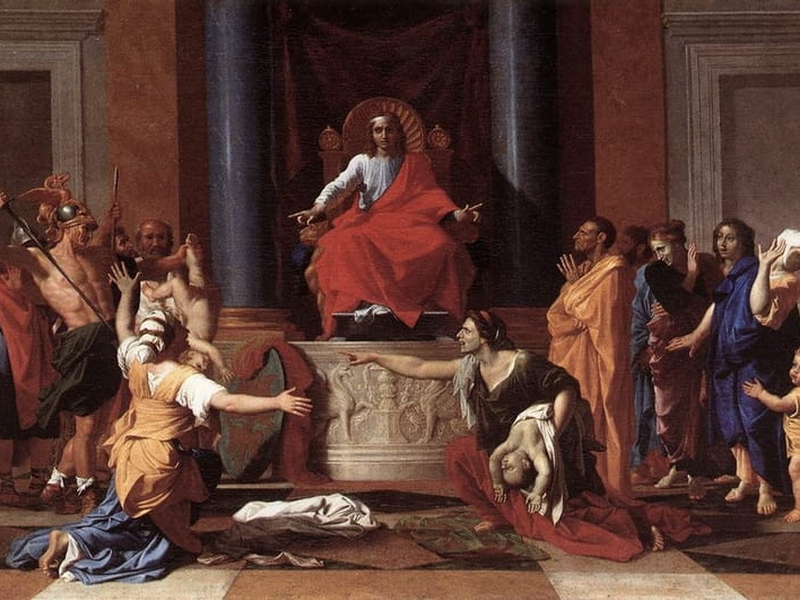
Political Hermeneutics: The Argument from Silence, Part 1

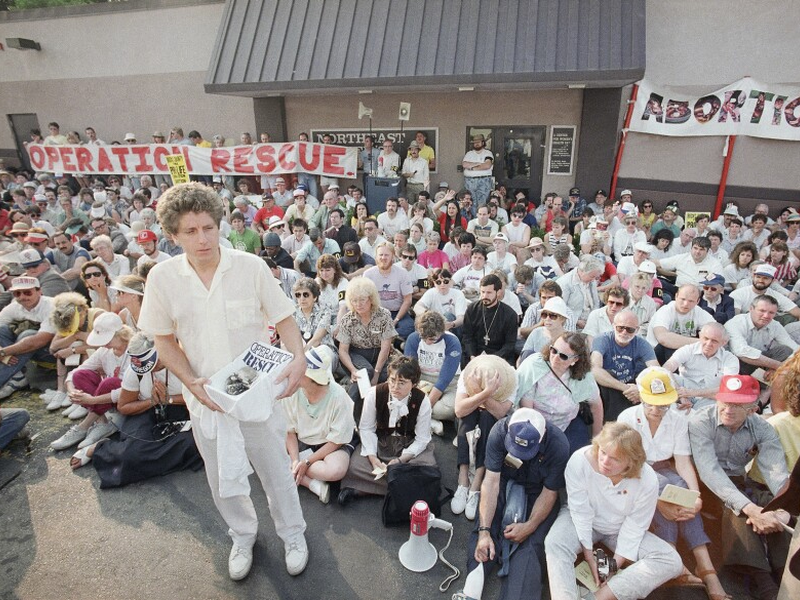
If the debate over Operation Rescue has proven anything, it has proven that there is absolutely no consensus among evangelicals in general, or among "reconstructionists" in particular, about how to use the Bible to judge political actions and movements. Each side of the debate claims biblical authority for its position,…

by Peter LeithartFebruary 13, 1990
49980-nicolas_poussin_-_the_judgment_of_solomon_-_wga18330-800w-tn
Biblical Studies

Advice From a Sojourner, Part 4

Two things I asked of Thee, Do not refuse me before I die: Keep deception and words of falsehood far from me, Give me neither poverty nor riches, Feed me with the food that it my portion, Lest I be full and deny Thee, And say, "Who is the LORD?"…

by James B. JordanFebruary 2, 1990
image-2
Biblical Horizons

Foucault’s Pendulum

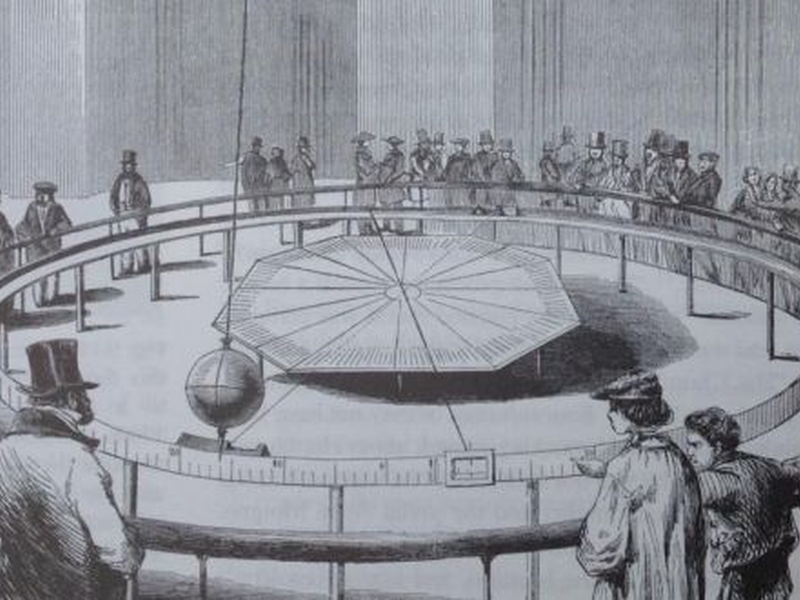
Umberto Eco’s "The Name of the Rose" was certainly one of the best literary works of the past decade, though the film version hardly measured up to it. Now Eco has given us a new novel, "Foucault’s Pendulum." Like Rose, Foucault’s Pendulum reflects on the limitations of human knowledge, and…

by James B. JordanJanuary 26, 1990
tanner-mardis-xuxghzhibn4-unsplash-1-2
Biblical Studies

What Is “Interpretive Maximalism”?

From time to time people ask me about "interpretive maximalism." They want to know what it is, and sometimes want to know if it represents some departure from the Reformed grammatico-historical, Biblico-theological approach to the Bible. I have something of a problem with these questions, because "interpretive maximalism" is not…

by James B. JordanJanuary 26, 1990

Showing page 305 of 309

See all
See all

Justice, Justification, Baptism

Michael Gorman ( Becoming the Gospel ) points out what Richard Hays has called the “deft word-play” on the dik - root in 1 Corinthians 6:1-11. The word-play is sometimes lost because English translations use different word groups to translate different forms of the root. If we stick to a…

February 4, 2016
Atonement

Atonement theory?

Since Harnack, theologians have glibly spoken of Anselm's Cur Deus Homo as a form of “atonement theory” or a “model” of atonement. According to Katherine Sonderegger, Harnack told the story of atonement theology in terms of a set of “competing ‘models,' each with schools and eponymous heads”: “Harnack’s nineteenth-century magisterial…

February 4, 2016

Second Exodus

In an essay form Israel's Prophetic Heritage , Bernard W. Anderson analyzes the “exodus typology” in what he calls “second Isaiah” (available here ). He acknowledges that “there are numerous linguistic echoes of the Exodus tradition” throughout the text, he finds ten places where “the new exodus is the specific…

February 3, 2016

Schumpeter on Ideology

In a famous 1949 essay on “ Science and Ideology ,” published in American Economic Review , Joseph Schumpeter highlighted the role of ideology is scientific research, including economic research. The majority of economists, he said, “are ready enough to admit its presence though, like Marx, they find it only…

February 3, 2016

Cinema, Time, Space

In his book, The Culture of Time and Space, 1880-1918 , Stephen Kern explores how technological innovations of the late 19th and early 20th centuries (“telephone, wireless telegraph, x-ray, cinema, bicycle, automobile, and airplane,” 1) reoriented the experience of time and space. Simultaneous communication seemed to erase space, and rapid…

February 3, 2016

Seal of the Spirit

The New Testament speaks of the “seal of the Spirit” in several places (2 Corinthians 1:22; Ephesians 1:13; 4:30). The Spirit marks out believers, sealing them for the day of redemption. The Spirit is the seal, or affixes the seal - a brand, a mark of ownership, a regimental tattoo…

February 3, 2016

Showing page 325 of 2212

Browse by Category

In Medias Res

Your weekly digest for all things Theopolis.

Donate

Theopolis is nearly 100% donor-supported. Consider joining us on our mission.