Theopolis Logo

Writing

Explore our collection of theological essays, biblical studies, and reflections on faith and culture.

See all
evangelists
Matthew

Dating Matthew, (Part 1)

When might the Gospel according to Matthew have been written? Of course, any answer can only be speculation, but that does not mean we are reduced to groundless opinion. In this series of articles I point the way to an approach different from the general consensus among scholars today which…

by Ralph Allan SmithNovember 22, 2016
hebrew-manuscript-3
Hermeneutics

Synopticity, (Part 2)

In my first essay on “synopticity” I offered a rather rough definition of the phenomenon and important, though not exhaustive examples. In this essay, I want to introduce broader aspects of the phenomenon of “synopticity.” The first example that I have in mind is conventional stories, stories of different historical…

by Ralph Allan SmithNovember 17, 2016
screen-shot-2016-03-31-at-9-32-11-am
Ascension

Brexit and the Binding of Satan, Part 4

Since the judgment of Babel was followed by the initiation of the circumcision, the impending end of the circumcision in AD70 explains the significance of the first century miracle of foreign tongues. Except for a few Aramaic “teasers” in the book of Daniel, the Word of God was monolingual and…

by Mike BullNovember 15, 2016
four-evangelists
Hermeneutics

Synopticity, (Part 1)

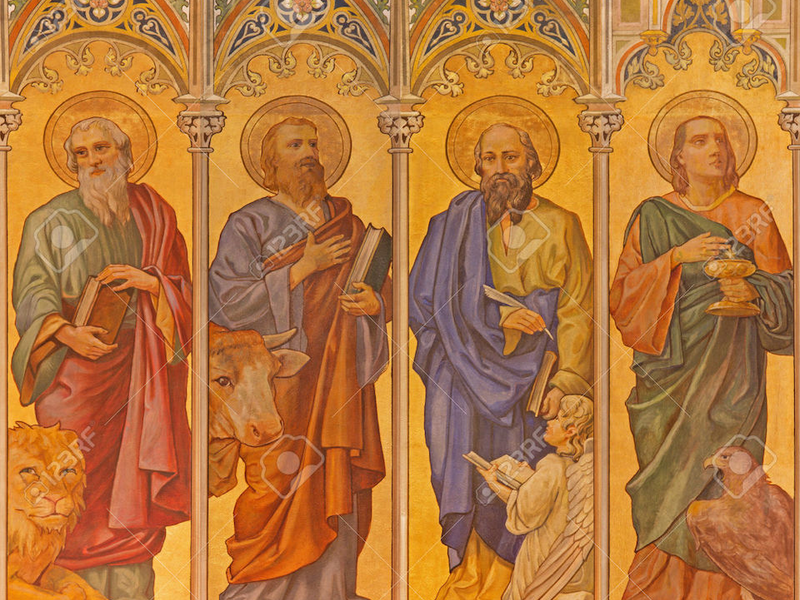
To the best of my knowledge “synopticity” is not a word used in theology or Biblical studies, but it seems an appropriate word to describe the kind of phenomena associated with the Synoptic Gospels, Matthew, Mark, and Luke. These three Gospels tell essentially the same story with significant — sometimes…

by Ralph Allan SmithNovember 10, 2016
laughing_statue_by_xxbobbiie-d5f0meh-2
Humor

Learning to Laugh

Humor is a funny thing. It is altogether familiar yet also mysterious. What makes us laugh? Why do we find things funny? There are academic fields of study dedicated to discovering what makes things humorous. These academicians even have a journal entitled International Journal of Humor Research . No joke.…

by Bill SmithNovember 8, 2016
chaucer
Literature

Flawed Means of Grace: Liturgy in The Pardoner's Tale

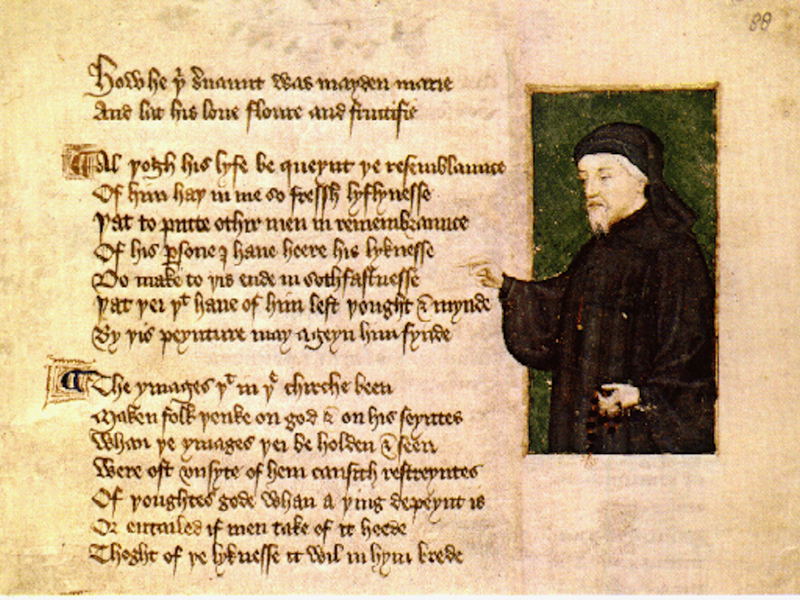
Out of all the characters in Geoffrey Chaucer’s The Canterbury Tales , the Pardoner has been called the “one lost soul.” The pious Parson, who closes out the collection of tales with a sermon on the seven deadly sins and how a sinner can absolve himself of them, connects the…

by Christian LeithartNovember 3, 2016

Showing page 122 of 309

See all

Showing page 38 of 43

See all
History

Table Manners and Individualism

Elias notes that table manners reflect social relations more generally: “People who ate together in the way customary in the Middle Ages, taking meat with their fingers from the same dish, wine from the same goblet, soup from the same pot or the same plate . . . - such…

September 26, 2006
History

The Blasphemous Fork

Elias again: “In the eleventh century a Venetian doge married a Greek princess. In her Byzantine circle the fork was clearly in use. At any rate, we hear that she lifted food to her mouth ‘by means of little gold forks with two prongs.’ “This gave rise in Venice to…

September 26, 2006
History

Middle Class Counter-Enlightenment

Elias suggests that the blossoming of German literature in the late 18th century was largely led by middle-class writers and thinkers whose tastes and styles ran directly counter to the Francophile culture of Frederick’s court: “This German literary movement, whose exponents included Klopstock, Herder, Lessing, the poets of Sturm und…

September 25, 2006
Literature

Barbarous Shakespeare

A couple of weeks ago, I quoted Frederick the Great’s judgment that Shakespeare’s plays were fit only for “savages of Canada,” what with their “jumble of lowliness and grandeur, of buffoonery and tragedy,” their sins “against all the rules of the theatre, rules which are not at all arbitrary.” Frederick…

September 25, 2006

Structural and other notes on 1 John 1:5-2:11

A few scattered notes on this section of John’s first epistle. 1) There is a repeated emphasis on the contrast between word and action, word and walk. Three times John uses the clause “if we say that” (1:6, 8, 10), and another three times he uses “the one who says”…

September 25, 2006
Uncategorized

Sermon notes

INTRODUCTION John’s gospel is about the character of God: He proclaims that God is light, and has no darkness at all (1:5). This gospel comes with the demand to walk in the light (1:6). What does that mean? THE TEXT “This is the message which we have heard from Him…

September 25, 2006

Showing page 1787 of 2212

Browse by Category

In Medias Res

Your weekly digest for all things Theopolis.

Donate

Theopolis is nearly 100% donor-supported. Consider joining us on our mission.