Theopolis Logo

Writing

Explore our collection of theological essays, biblical studies, and reflections on faith and culture.

See all
sixteen-miles-out-d40gdcd_-he-unsplash-2
Matthew

Reading Matthew, Identifying Discourses: A Closer Look at the “Six-Discourse” Proposal

In a February blog post for the Theopolis Institute, Benoît Engel offers a thought-provoking challenge to the widely accepted five-discourse structure of Matthew’s Gospel, proposing a sixth discourse in Matthew 21:28–22:14 to reframe the Gospel’s chiastic center. As someone deeply invested in Matthew’s literary design—explored in my book Reading Matthew,…

by Jonathan SedlakJune 26, 2025

getty-images-2cytteec2ng-unsplash
2 Timothy

Avoid Foolish Disputes

Avoid foolish disputes, genealogies, contentions, and strivings about the law, for they are unprofitable and useless. Titus 3:9 Out of a deep love and care for the church, Paul tells Titus and those in the church to avoid four specific things: foolish disputes, genealogies, contentions, and strivings about the law.…

by Grant Van BrimmerJune 24, 2025
yucar-studios-cfr-v1quekw-unsplash-1
Baptism

The Indispensable Mark of Worship: Infant Baptism

Theopolis publishes many polemics, especially on the Sacraments. This piece does not necessarily reflect the views of Theopolis, her board, or her editors. -JW Whoever touches the dead body of any person shall be unclean seven days.He shall cleanse himself with the water on the third day and on the…

by Tommy ThompsonJune 19, 2025
zdenek-machacek-4nsuy3e5nec-unsplash
American Culture

Ecclesiocentric Life is Back

There is in the United States and the Western World some sort of religious revival occurring. Gen Z men—males born between ca 1997 and 2012—are flooding back in to churches. USA Today noted that Gen Z men—and to a lesser degree women—attending churches more than their millennial predecessors and they…

by Miles SmithJune 17, 2025
tanner-mardis-xuxghzhibn4-unsplash-1-2
Biblical Studies

Sceptical Text-Critical Hypotheses

The primary task of many Biblical scholars (as they see it) is to explain how and why the Biblical text acquired its final form—i.e., what source material it used, how that material was expanded/redacted, who expanded/redacted it, why they did so, what the weather was like at the time, etc.…

by James BejonJune 12, 2025
james-coleman-qej5dhl4mwq-unsplash-2
Galatians

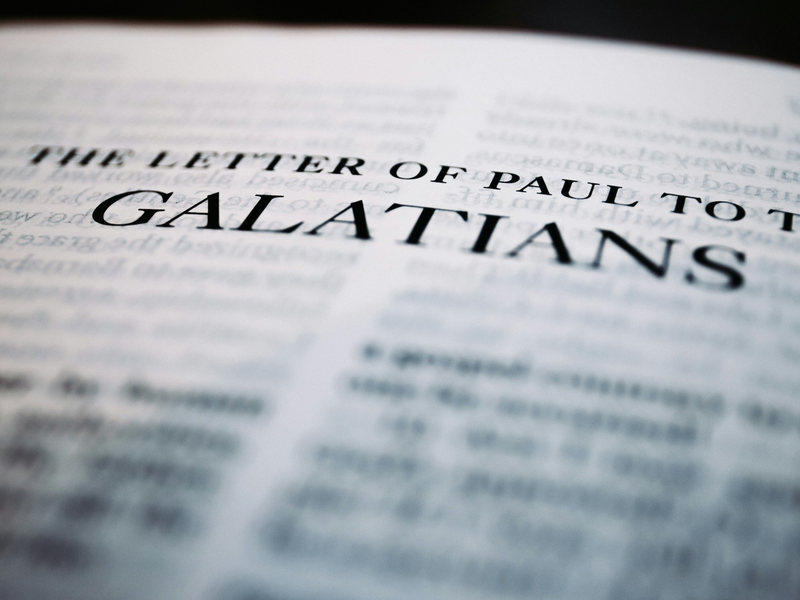
Flesh & Spirit in Galatia

Galatians 5:5-15 For through the Spirit, by faith, we ourselves eagerly wait for the hope of righteousness. For in Christ Jesus neither circumcision nor uncircumcision counts for anything, but only faith working through love. You were running well. Who hindered you from obeying the truth? This persuasion is not from…

by Jeff MeyersJune 10, 2025

Showing page 8 of 309

See all

Showing page 39 of 43

See all

Conference

If you’re in the vicinity of Duke, you might be interested in a conference sponsored by the Center for Catholic and Evangelical Theology, in cooperation with the Duke Divinity School, on May 21-23, at Duke. The theme is “Preaching, Teaching, and Living the Bible.” Speakers include Robert Jenson, Rusty Reno,…

March 30, 2006
Literature

Garber on Merchant

Marjorie Garber has, as usual, some insightful things to say about Merchant of Venice: 1) She describes the play as “Shakespeare’s great play about difference,” pointing to the apparent stark contrasts of Christian and Jew, Venice and Belmont, male and female. Yet, she also notes that the play is busy…

March 29, 2006
Literature

Biblical echoes in Merchant of Venice

A.R. Braunmuller offers some suggestive comments in his introduction to the Merchant of Venice in the Pelican Shakespeare. Having summarized Portia’s speech (which he suggests might be a “setup that turns on a technicality” that “turns back on Shylock a legal rigidity he had been duped into demanding”), he notes…

March 29, 2006

Hypostatic union

Thomas argues that “if the human nature is not united to God the Word in person, it is not united to him in any way, and thus belief in the incarnation is altogether done away with, which subverts the entire Christian faith.” But since there is a union, it must…

March 29, 2006

Aquinas and Chalcedon

Frederick Bauerschmidt claims that “Aquinas is in fact the first medieval theologian in the West to quote directly from the Council of Chalcedon.” This is remarkable on all sorts of levels, not least because of the questions it raises about the authority of the ecumenical councils in medieval thought.

March 29, 2006
Theology

Gift and Gratitude in the Middle Ages

INTRODUCTION Seneca’s de Beneficiis was known to the Christian Middle Ages, as were some of the gift and gratitude customs of the Roman world. We’ll examine the use that Aquinas makes of Seneca when we get to the Summa later this week. But in addition to these ancient sources, medieval…

March 28, 2006

Showing page 1865 of 2212

Browse by Category

In Medias Res

Your weekly digest for all things Theopolis.

Donate

Theopolis is nearly 100% donor-supported. Consider joining us on our mission.