Theopolis Logo

Writing

Explore our collection of theological essays, biblical studies, and reflections on faith and culture.

See all
or
Abortion

Political Hermeneutics: The Argument From Silence, Part 2

Click HERE for part 1. III This leads to a further question. I have argued that silence cannot by itself establish a Scriptural principle, but does Scripture’s silence carry any weight in itself? Does the fact that something is unbiblical in a weak sense tell us anything at all? In…

by Peter LeithartMarch 13, 1990

hebrew-manuscript-6
Biblical Chronology

Groping Through the Gaps

Although nowadays gap theories are associated with dispensationalism, it was not always so. In the nineteenth century, scholars from a variety of backgrounds (Anglican, Reformed, and proto-fundamentalist) seem to have become fascinated by gaps. If you are not familiar with what I am talking about, this newsletter will acquaint you…

by James B. JordanFebruary 26, 1990
or
Abortion

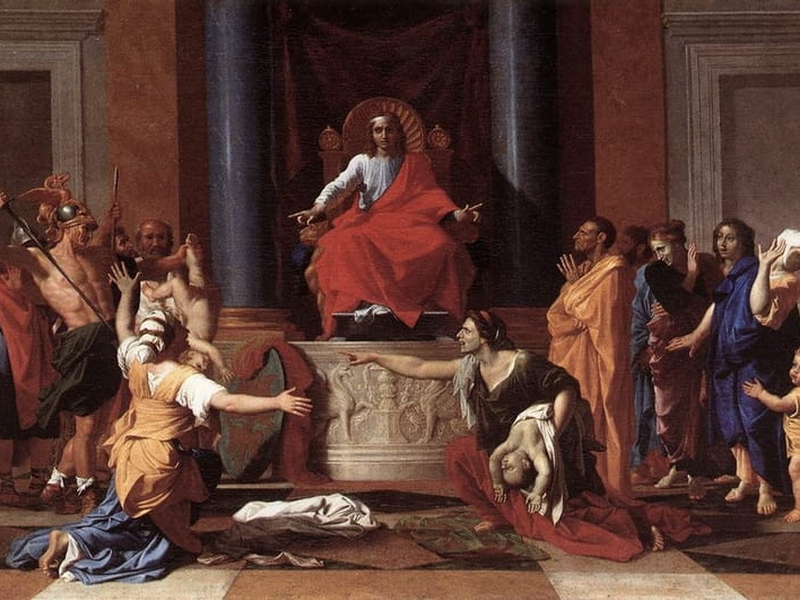
Political Hermeneutics: The Argument from Silence, Part 1

If the debate over Operation Rescue has proven anything, it has proven that there is absolutely no consensus among evangelicals in general, or among "reconstructionists" in particular, about how to use the Bible to judge political actions and movements. Each side of the debate claims biblical authority for its position,…

by Peter LeithartFebruary 13, 1990
49980-nicolas_poussin_-_the_judgment_of_solomon_-_wga18330-800w-tn
Biblical Studies

Advice From a Sojourner, Part 4

Two things I asked of Thee, Do not refuse me before I die: Keep deception and words of falsehood far from me, Give me neither poverty nor riches, Feed me with the food that it my portion, Lest I be full and deny Thee, And say, "Who is the LORD?"…

by James B. JordanFebruary 2, 1990
image-2
Biblical Horizons

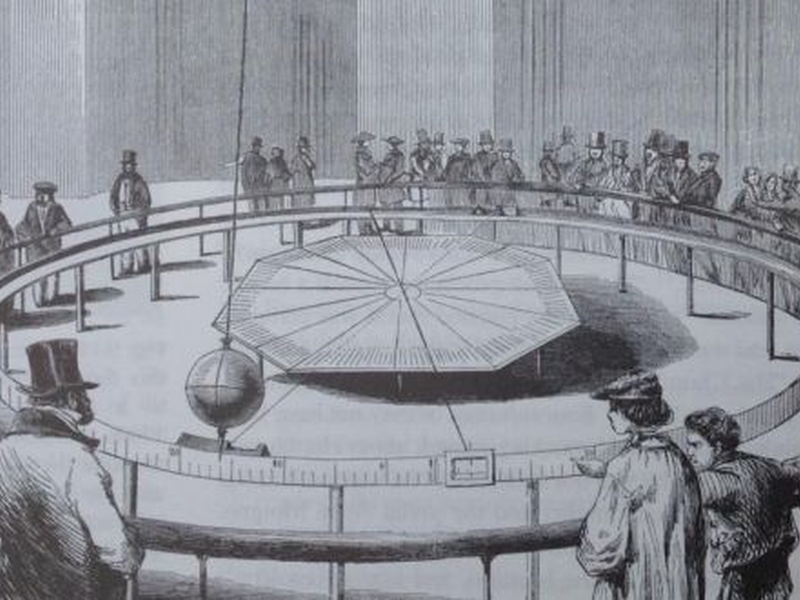
Foucault’s Pendulum

Umberto Eco’s "The Name of the Rose" was certainly one of the best literary works of the past decade, though the film version hardly measured up to it. Now Eco has given us a new novel, "Foucault’s Pendulum." Like Rose, Foucault’s Pendulum reflects on the limitations of human knowledge, and…

by James B. JordanJanuary 26, 1990
tanner-mardis-xuxghzhibn4-unsplash-1-2
Biblical Studies

What Is “Interpretive Maximalism”?

From time to time people ask me about "interpretive maximalism." They want to know what it is, and sometimes want to know if it represents some departure from the Reformed grammatico-historical, Biblico-theological approach to the Bible. I have something of a problem with these questions, because "interpretive maximalism" is not…

by James B. JordanJanuary 26, 1990

Showing page 305 of 309

See all

Showing page 39 of 43

See all
Politics

Machiavelli on Ingratitude

From Book 1 of the Discourses on Livy: FOR WHAT REASONS THE ROMANS WERE LESS UNGRATEFUL TO THEIR CITIZENS THAN THE ATHENIANS Whoever reads of the things done by Republics will find in all of them some species of ingratitude against their citizens, but he will find less in Rome…

March 21, 2006

What Plato Owed Athens

Socrates’ explanation of his willingness to submit to the laws of Athens, from the Crito. Since he owes the city his very existence, he has no right to renounce the laws when they turn against him: Soc. “And was that our agreement with you?” the law would say, “or were…

March 21, 2006
History

Renaissance on ingratitude

A few quotations from Renaissance writers on the subject of ingratitude, drawn from Catherine Dunn’s excellent 1946 CUA dissertation on the subject: Lodowick Bryskett argued that ingratitude was contrary to reason: “How shamefull a thing is it therefore to man, that brute beasts should give him examples of gratitude; and…

March 21, 2006

Persians and ingratitude

Xenophon describes the Persian training of boys in the Cyropaedia (1.2.6-7), highlighting the effects of ingratitude: “The boys go to school and give their time to learning justice and righteousness: they will tell you they come for that purpose, and the phrase is as natural with them as it is…

March 21, 2006

Aristotelian gratitude

Some excerpts from Aristotle’s discussion relevant to gratitude in Nicomachian Ethics. First, a treatment of the reasons for making return on a benefit received (from 9.1): “But who is to fix the worth of the service; he who makes the sacrifice or he who has got the advantage? At any…

March 21, 2006

Parenthood

Katherine Marsh writes in the March 13 TNR that parenthood is not what it was cracked up to be. Instead of bringing fulfillment and happiness, it turns out that parenthood is difficult, and a number of recent articles and studies have suggested that parents are more “sad, distracted or depressed”…

March 14, 2006

Showing page 1869 of 2212

Browse by Category

In Medias Res

Your weekly digest for all things Theopolis.

Donate

Theopolis is nearly 100% donor-supported. Consider joining us on our mission.