Theopolis Logo

Writing

Explore our collection of theological essays, biblical studies, and reflections on faith and culture.

See all
e99a9541
Abortion

To Kill or Not to Kill

It seems to be old news, but I was unaware of it until recently. Australian academics argued that mothers should be allowed to terminate the life of a newborn child. [i] Why would they promote such an idea? Because before the child is born it is not always possible to…

by Ralph Allan SmithSeptember 12, 2019
pascal
Philosophy

Is the Betting Rigged in Pascal's Wager?

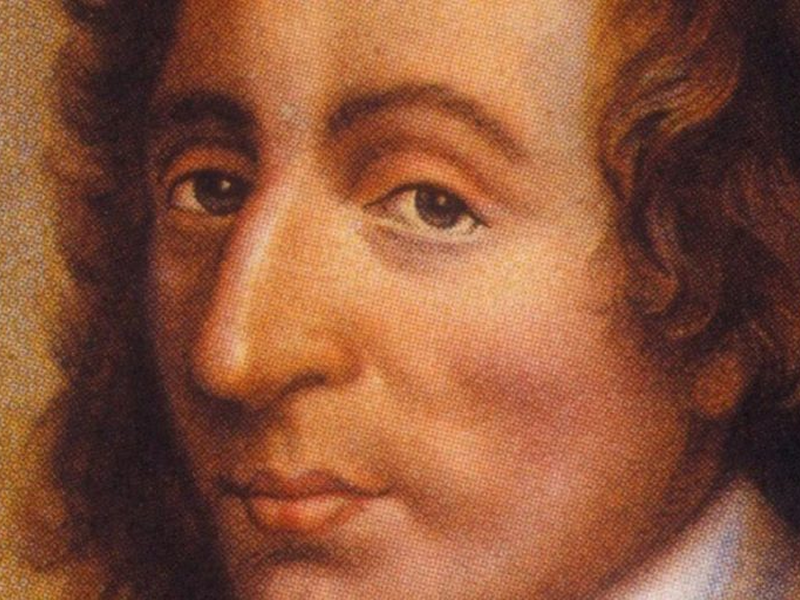
This is the second of two essays introducing Pascal’s Wager. Click HERE for Part 1. In “The Pop Star and the Mathematician” I gave an overview of the apologetic approach commonly called Pascal’s Wager. In that Wager, 17 th -century French mathematician Blaise Pascal argued that the choice between Christian…

by Alexander WhitakerSeptember 10, 2019
pascal
Philosophy

The Mathematician and the Pop Star: A Pascal's Wager Primer

This is the first of two essays aiming to introduce the reader to Pascal’s Wager. The second will address criticisms of the Wager. In the early 1990s, a perennially popular British pop star was interviewed on British television about his very public evangelical Christian faith. “What if,” the reporter asked…

by Alexander WhitakerSeptember 5, 2019
screen-shot-2019-09-03-at-7-00-44-am-2
Matthew

The Secret of the Middle of Matthew

Matthew 13 is about secrets. In this chapter, Jesus teaches eight parables and tells the disciples that they reveal the secrets of the kingdom (13:11). And much like Samson who both tells riddles and is himself a riddle that the reader must solve, so Jesus not only tells secrets but…

by John HigginsSeptember 3, 2019
david-with-goliaths-head-and-soldiers-crop
Biblical Theology

David, Goliath, and the Body of Moses, (Part 2)

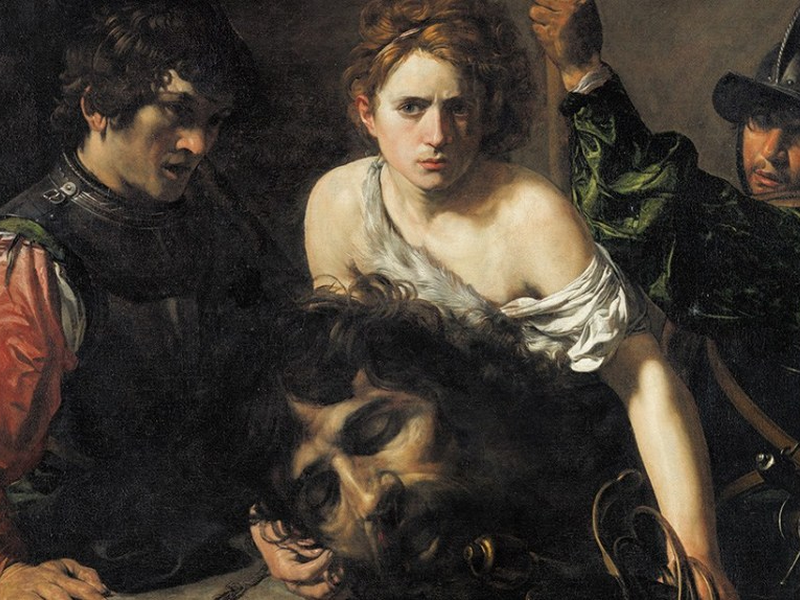
Click HERE for part One. THE TEXT AS TABERNACLE Creation – Initiation – Genesis (1 Samuel 17:1-11) The gathered armies not only remind the reader of Ebal and Gerizim, but also of the very reason that Israel was established (Creation) , set apart from the other nations by the circumcision…

by Mike BullAugust 29, 2019
job
Job

The Man in the Middle

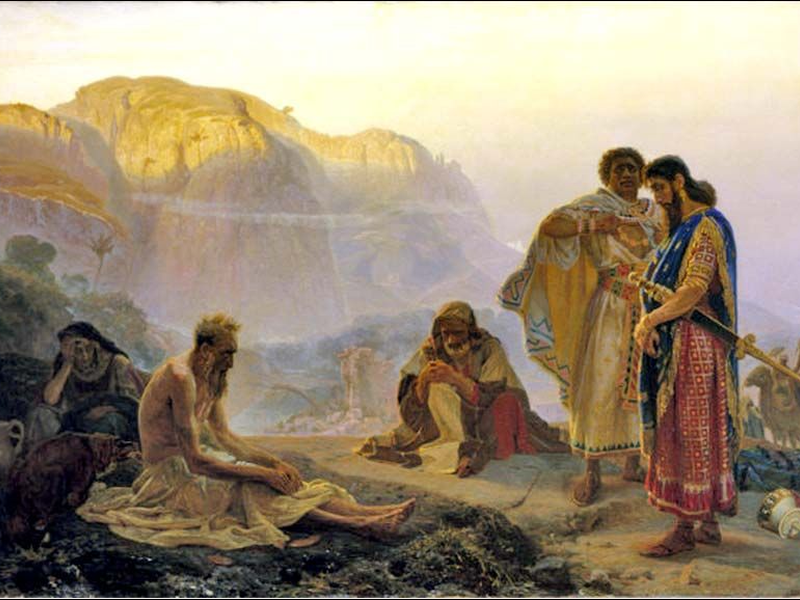
What to do with Job’s Final “Friend,” Elihu Elihu is a strange character, at least in the sense of how and where he appears in the book of Job. Why does he not appear with the other three “friends?” Does his argument differ from any of the first three who…

by Eric RobinsonAugust 27, 2019

Showing page 75 of 309

See all
See all
History

Table Manners and Individualism

Elias notes that table manners reflect social relations more generally: “People who ate together in the way customary in the Middle Ages, taking meat with their fingers from the same dish, wine from the same goblet, soup from the same pot or the same plate . . . - such…

September 26, 2006
History

The Blasphemous Fork

Elias again: “In the eleventh century a Venetian doge married a Greek princess. In her Byzantine circle the fork was clearly in use. At any rate, we hear that she lifted food to her mouth ‘by means of little gold forks with two prongs.’ “This gave rise in Venice to…

September 26, 2006
History

Middle Class Counter-Enlightenment

Elias suggests that the blossoming of German literature in the late 18th century was largely led by middle-class writers and thinkers whose tastes and styles ran directly counter to the Francophile culture of Frederick’s court: “This German literary movement, whose exponents included Klopstock, Herder, Lessing, the poets of Sturm und…

September 25, 2006
Literature

Barbarous Shakespeare

A couple of weeks ago, I quoted Frederick the Great’s judgment that Shakespeare’s plays were fit only for “savages of Canada,” what with their “jumble of lowliness and grandeur, of buffoonery and tragedy,” their sins “against all the rules of the theatre, rules which are not at all arbitrary.” Frederick…

September 25, 2006

Structural and other notes on 1 John 1:5-2:11

A few scattered notes on this section of John’s first epistle. 1) There is a repeated emphasis on the contrast between word and action, word and walk. Three times John uses the clause “if we say that” (1:6, 8, 10), and another three times he uses “the one who says”…

September 25, 2006
Uncategorized

Sermon notes

INTRODUCTION John’s gospel is about the character of God: He proclaims that God is light, and has no darkness at all (1:5). This gospel comes with the demand to walk in the light (1:6). What does that mean? THE TEXT “This is the message which we have heard from Him…

September 25, 2006

Showing page 1787 of 2212

Browse by Category

In Medias Res

Your weekly digest for all things Theopolis.

Donate

Theopolis is nearly 100% donor-supported. Consider joining us on our mission.