Theopolis Logo

Writing

Explore our collection of theological essays, biblical studies, and reflections on faith and culture.

See all
kelly-sikkema-aageorr0iqs-unsplash
Lent

Embrace Pessimism

Optimism is “an inclination to put the most favorable construction upon actions and events or to anticipate the best possible outcome.” 1 On the other hand, pessimism is “an inclination to emphasize adverse aspects, conditions, and possibilities or to expect the worst possible outcome.” We can see that optimism and…

by Bogumil JarmulakFebruary 21, 2024

michael-hamments-0vzptqdw2-i-unsplash-1
Biblical Theology

2 Trees of Eden & What They Mean: Knowledge of Good & Evil vs. Life

If we wish to understand the Tree of Life and the Tree of the Knowledge of Good and Evil, we must begin with seeing them as a part of the creational order. Trees, along with plants and seed-bearing things, come to life by the word of God as part of…

by Mark BriansFebruary 13, 2024
screenshot-2024-02-06-at-5-44-53-pm
Death

Training to Die

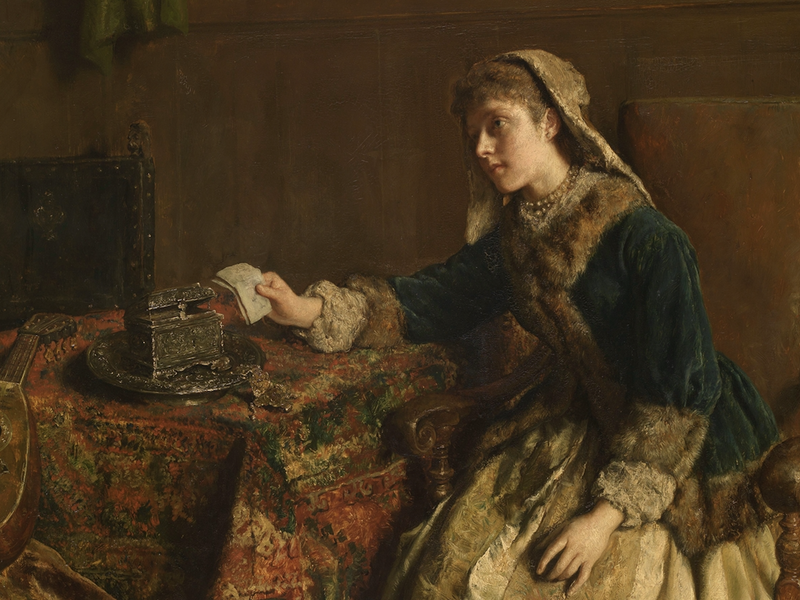
“I chant slips and irreversible disasters, wiltings, failures, scars, the little disappointments and the large, blue streaks down a world that wishes it was only suncolors.” Paul J. Pastor from Kintsugi Song I recently lost something very valuable. Something I’d had for years and used every day. But, it wasn’t…

by Mandi GerthFebruary 7, 2024
screenshot-2024-01-11-at-2-38-07-pm
Jonah

Jonah’s Backward Exodus

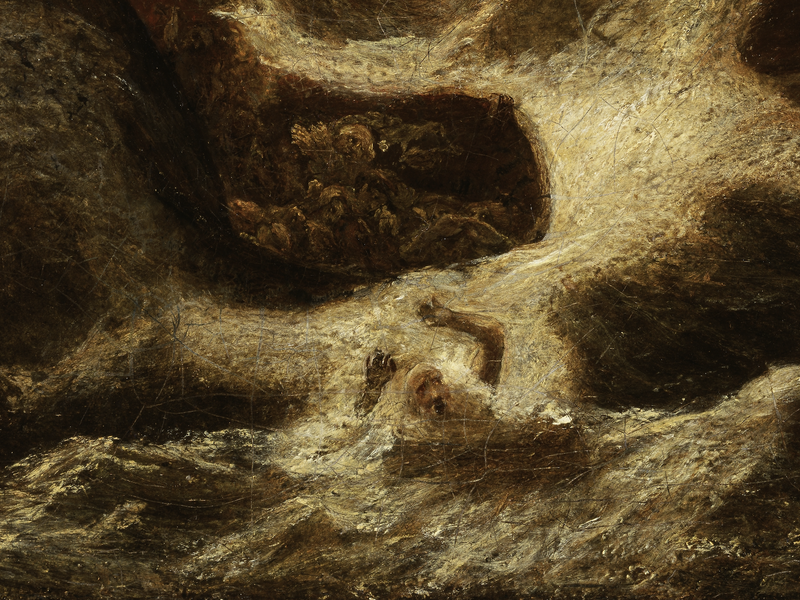
In his eponymous book, Jonah follows an exodus pattern. He travels through the waves and east of the city into the wilderness. On a first reading, it looks like another use of this common literary shape in the Old Testament: salvation through the waters of death and the wilderness of…

by Tim SuffieldJanuary 30, 2024
johann-siemens-epy0gbjzzzu-unsplash
Revelation

Where is the Tree of Knowledge in New Jerusalem?

“Everyone serves the good wine first, and when people have drunk freely, then the poor wine. But you have kept the good wine until now.” The unknowing master of ceremonies didn’t know how right he was. We see this play out in John’s apocalypse. The end is like the beginning,…

by David AppoldJanuary 23, 2024
sincerely-media-gf0ngcju5lw-unsplash
Luke

The Test of Adultery

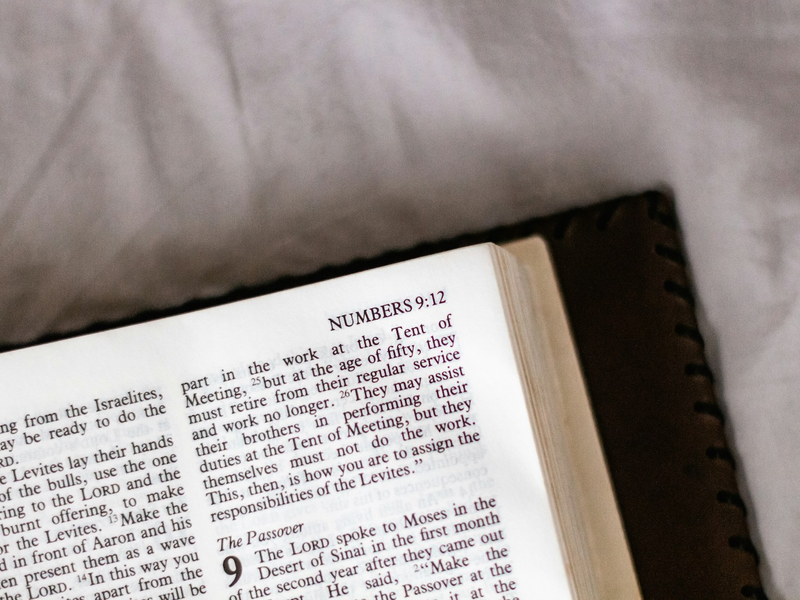
Read in isolation, The Test of Adultery (Num 5:11-31) presents the reader with a seemingly bizarre ritual, conjuring up ideas bordering on the Salem Witch Trials. Beyond this, pressing questions linger—such as, “Why is the woman in particular singled out, while no test is provided for the husband of a…

by Ben LoveladyJanuary 17, 2024

Showing page 23 of 309

See all

Showing page 6 of 43

See all

Exhortation, Third Epiphany

According to what has become the “traditional” interpretation of the Constitution, every American woman has the right to kill her unborn baby. Since the Roe v. Wade decision in January of 1973, over 45 million babies have been killed, and, though the abortion rate has slowed since 1990, more than…

January 22, 2006
Philosophy

Same and Other

Evaluating Levinas and his criticisms of Husserl, Derrida probes the coherence of Levinas’ notion of “infinitely other.” Contrary to Levinas, who argues that we are incorrectly seduced by everyday life to think of the other as an “alter ego,” Derrida says: “The other as alter ego signifies the other as…

January 21, 2006
Media

Art for Art

Adorno points out in an essay on television that “it would be romanticizing to assume that formlerly art was entirely pure, that the creative artist thought only in terms of the inner consistency of the artifact and not also of its effect upon the spectators. Theatrical art, in particular, cannot…

January 20, 2006

Sermons and such

Auden said, “In my opinion sermons should be a) fewer b) longer c) more theologically instructive and less exhortatory. I must confess that in my life I have very seldom heard a sermon from which I derived any real spiritual benefit. Most of them told me that I should love…

January 20, 2006

Totality and Dialogue

In “Violence and Metaphysics,” Derrida says that no “logos as absolute knowledge can comprehend the dialogue and the trajectory toward the other” because “the other is the other” and “all speech is for the other.” For Derrida, “A total logos still, in order to be logos, would have to let…

January 19, 2006
Philosophy

Eros and epistemology

For Aquinas, knowledge begins with knowledge of the effects of a thing. When faced with those effects, we naturally have a “desire to know about the cause what it is. This desire is one of wonder and causes inquiry.” The inquiry ceases when we arrive at knowledge of the essence…

January 19, 2006

Showing page 1896 of 2212

Browse by Category

In Medias Res

Your weekly digest for all things Theopolis.

Donate

Theopolis is nearly 100% donor-supported. Consider joining us on our mission.