Theopolis Logo

Writing

Explore our collection of theological essays, biblical studies, and reflections on faith and culture.

See all
or
Abortion

Political Hermeneutics: The Argument From Silence, Part 2

Click HERE for part 1. III This leads to a further question. I have argued that silence cannot by itself establish a Scriptural principle, but does Scripture’s silence carry any weight in itself? Does the fact that something is unbiblical in a weak sense tell us anything at all? In…

by Peter LeithartMarch 13, 1990

hebrew-manuscript-6
Biblical Chronology

Groping Through the Gaps

Although nowadays gap theories are associated with dispensationalism, it was not always so. In the nineteenth century, scholars from a variety of backgrounds (Anglican, Reformed, and proto-fundamentalist) seem to have become fascinated by gaps. If you are not familiar with what I am talking about, this newsletter will acquaint you…

by James B. JordanFebruary 26, 1990
or
Abortion

Political Hermeneutics: The Argument from Silence, Part 1

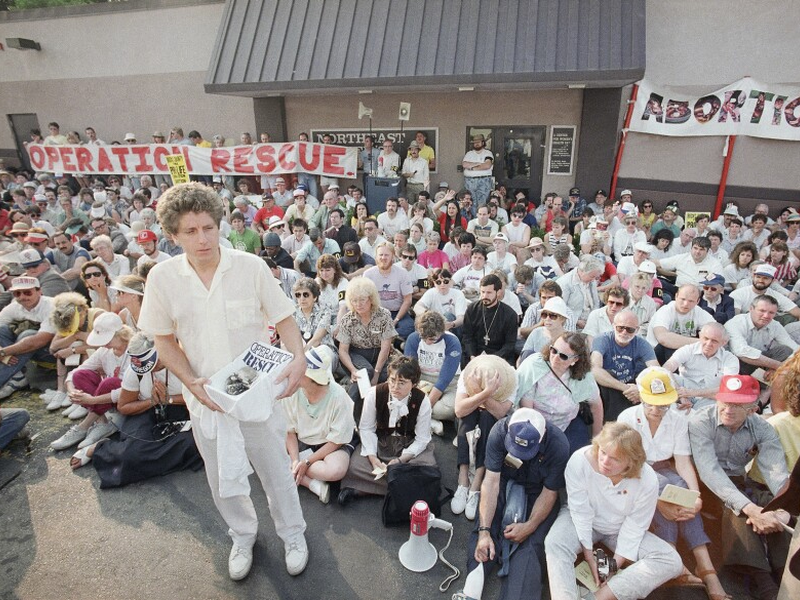
If the debate over Operation Rescue has proven anything, it has proven that there is absolutely no consensus among evangelicals in general, or among "reconstructionists" in particular, about how to use the Bible to judge political actions and movements. Each side of the debate claims biblical authority for its position,…

by Peter LeithartFebruary 13, 1990
49980-nicolas_poussin_-_the_judgment_of_solomon_-_wga18330-800w-tn
Biblical Studies

Advice From a Sojourner, Part 4

Two things I asked of Thee, Do not refuse me before I die: Keep deception and words of falsehood far from me, Give me neither poverty nor riches, Feed me with the food that it my portion, Lest I be full and deny Thee, And say, "Who is the LORD?"…

by James B. JordanFebruary 2, 1990
image-2
Biblical Horizons

Foucault’s Pendulum

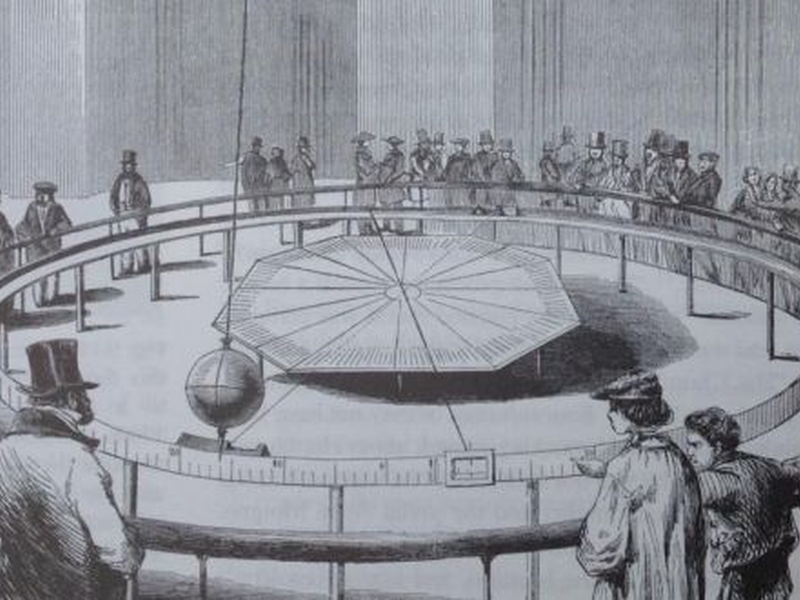
Umberto Eco’s "The Name of the Rose" was certainly one of the best literary works of the past decade, though the film version hardly measured up to it. Now Eco has given us a new novel, "Foucault’s Pendulum." Like Rose, Foucault’s Pendulum reflects on the limitations of human knowledge, and…

by James B. JordanJanuary 26, 1990
tanner-mardis-xuxghzhibn4-unsplash-1-2
Biblical Studies

What Is “Interpretive Maximalism”?

From time to time people ask me about "interpretive maximalism." They want to know what it is, and sometimes want to know if it represents some departure from the Reformed grammatico-historical, Biblico-theological approach to the Bible. I have something of a problem with these questions, because "interpretive maximalism" is not…

by James B. JordanJanuary 26, 1990

Showing page 305 of 309

See all

Showing page 6 of 43

See all
Politics

Arnold’s Campaign

From the radio reports I hear, it seems that Arnold’s campaign is an extension of his movie career. At one stop, he unveils a bus bearing his mug, and buses for the press labeled “Predators.” At another stop, he talks about taxes, and says that in the movies he destroys…

October 3, 2003

Edwards on Samson

In his Miscellanies , Edwards has some fascinatingly positive things to say about Samson. For example: In Judg xvi. 1, 2, we have an account how Samson loved a harlot, and from his love to her exposed himself to be compassed round by his enemies. So the prophecies represent the…

October 3, 2003

Images of Divine Things

A few quotations from Edwards’ “Images of Divine Things” (1728): “When we travail up an hill ‘tis against our natural tendency and inclination, which perpetually is to descent; and therefore we can’t go on ascending without labor and difficulty. But there arises a pleasant prospect to pay us for our…

October 3, 2003
American Religion

Noll on Edwards

Mark Noll’s account of Edwards’s role in the undermining of the Puritan “sacred canopy” in New England, in his recent book America’s God , is an important analysis of one phase in the rise of American religion. According to Noll, the pattern goes something like this: 1) The Puritans had…

October 2, 2003
History

Edwards and Beowulf

Thinking through an upcoming lecture on Edwards, I had a Borgesian moment: In 1731, there was a fire at the Cottonian library in England that nearly destroyed the single manuscript containing the Anglo-Saxon poem Beowulf . In the same year, Edwards preached a controversial sermon at his church in Northampton,…

October 2, 2003

Polupragmosune

Every great civilization has some equivalent of what the fifth-century (BC) Athenians called polupragmosune . As defined by William Arrowsmith, that word “connotes energy, enterprise, daring, ingenuity, originality, and curiosity; negatively it means restless instability, discontent with one’s lot, persistent and pointless busyness, meddling interference, and mischievous love of novelty.”…

October 2, 2003

Showing page 2188 of 2212

Browse by Category

In Medias Res

Your weekly digest for all things Theopolis.

Donate

Theopolis is nearly 100% donor-supported. Consider joining us on our mission.