Theopolis Logo

Writing

Explore our collection of theological essays, biblical studies, and reflections on faith and culture.

See all
kelly-sikkema-aageorr0iqs-unsplash
Lent

Embrace Pessimism

Optimism is “an inclination to put the most favorable construction upon actions and events or to anticipate the best possible outcome.” 1 On the other hand, pessimism is “an inclination to emphasize adverse aspects, conditions, and possibilities or to expect the worst possible outcome.” We can see that optimism and…

by Bogumil JarmulakFebruary 21, 2024

michael-hamments-0vzptqdw2-i-unsplash-1
Biblical Theology

2 Trees of Eden & What They Mean: Knowledge of Good & Evil vs. Life

If we wish to understand the Tree of Life and the Tree of the Knowledge of Good and Evil, we must begin with seeing them as a part of the creational order. Trees, along with plants and seed-bearing things, come to life by the word of God as part of…

by Mark BriansFebruary 13, 2024
screenshot-2024-02-06-at-5-44-53-pm
Death

Training to Die

“I chant slips and irreversible disasters, wiltings, failures, scars, the little disappointments and the large, blue streaks down a world that wishes it was only suncolors.” Paul J. Pastor from Kintsugi Song I recently lost something very valuable. Something I’d had for years and used every day. But, it wasn’t…

by Mandi GerthFebruary 7, 2024
screenshot-2024-01-11-at-2-38-07-pm
Jonah

Jonah’s Backward Exodus

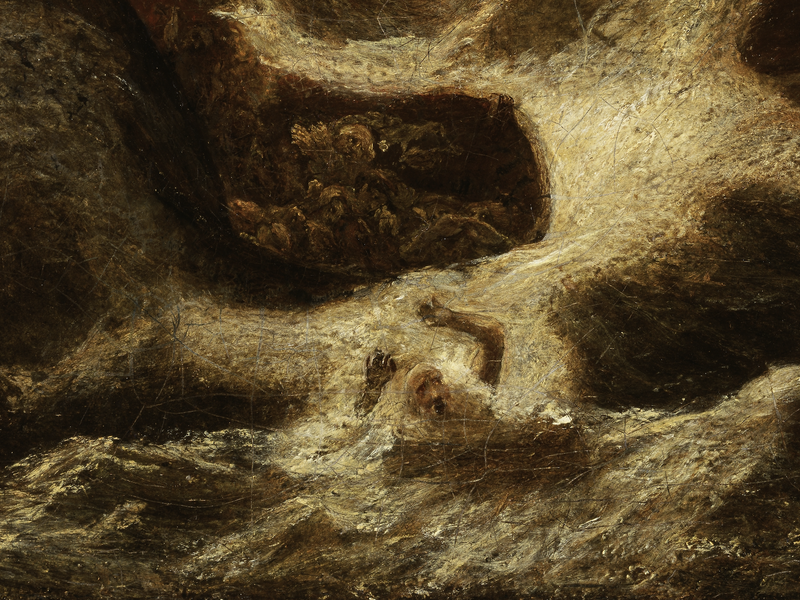
In his eponymous book, Jonah follows an exodus pattern. He travels through the waves and east of the city into the wilderness. On a first reading, it looks like another use of this common literary shape in the Old Testament: salvation through the waters of death and the wilderness of…

by Tim SuffieldJanuary 30, 2024
johann-siemens-epy0gbjzzzu-unsplash
Revelation

Where is the Tree of Knowledge in New Jerusalem?

“Everyone serves the good wine first, and when people have drunk freely, then the poor wine. But you have kept the good wine until now.” The unknowing master of ceremonies didn’t know how right he was. We see this play out in John’s apocalypse. The end is like the beginning,…

by David AppoldJanuary 23, 2024
sincerely-media-gf0ngcju5lw-unsplash
Luke

The Test of Adultery

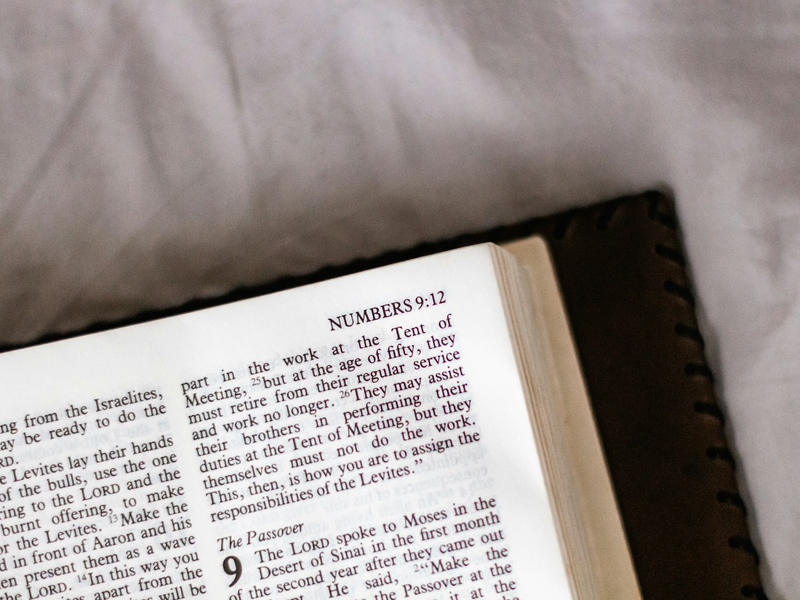
Read in isolation, The Test of Adultery (Num 5:11-31) presents the reader with a seemingly bizarre ritual, conjuring up ideas bordering on the Salem Witch Trials. Beyond this, pressing questions linger—such as, “Why is the woman in particular singled out, while no test is provided for the husband of a…

by Ben LoveladyJanuary 17, 2024

Showing page 23 of 309

See all

Showing page 8 of 43

See all
History

Between Burckhardt and Baynes

H.A. Drake’s Constantine and the Bishops: The Politics of Intolerance (Ancient Society and History) is a remarkable piece of work. One of his opening moves is to show how, despite clear and overt differences, both Burckhardt’s pure-political Constantine and Baynes’s sincere-Christian Constantine share common assumptions about politics and religion. He…

May 27, 2009

Blessed are the poor

Niebuhr has this nice harmonization of the Matthean and Lukan beatitude to the poor: “Both versions are necessary to catch the full flavor of the beatitude. For the Lukan version alone would make poverty a guarantee of virtue, particularly of the virtue of humility, which it is not. The Matthean…

May 27, 2009
Theology

Christian irony

Niebuhr claims that irony is inherent in the Christian view of history: Christianity’s “interpretation of the nature of evil in human history is consistently ironic. This consistency is achieved on the basis of the belief that the whole drama of human history is under the scrutiny of a divine judge…

May 27, 2009
History

American idealism

Niebuhr ( Irony ) quotes an unnamed European statesman who expresses gratitude for America’s help in resisting tyranny, but fear “that we might become an American ally.” America’s idealism doesn’t reassure him: “The idealism does indeed prevent America from a gross abuse of its power. But it might well accentuate…

May 26, 2009
History

Having and Being Empire

Charles Maier’s comparative study Among Empires: American Ascendancy and Its Predecessors reaches the waffly but accurate conclusion that the “United States reveals many, but not all - at least not yet - of the traits that distinguished empires.” Early on, he makes the helpful distinction between “being” and “having” an…

May 26, 2009
Uncategorized

Demoting the Emperor

Van Dam ( Roman Revolution of Constantine ) suggests that Eusebius’s Life was simultaneously a political tract celebrating the elevation of a Christian emperor and a theological apology promoting Eusebius’s Christological subordinationism. The afterlife of Eusebius’s treatise, though, put the emperors in their place. Rufinus’s translation/paraphrase of Eusebius’s Church History…

May 26, 2009

Showing page 1377 of 2212

Browse by Category

In Medias Res

Your weekly digest for all things Theopolis.

Donate

Theopolis is nearly 100% donor-supported. Consider joining us on our mission.