Theopolis Logo

Writing

Explore our collection of theological essays, biblical studies, and reflections on faith and culture.

See all
or
Abortion

Political Hermeneutics: The Argument From Silence, Part 2

Click HERE for part 1. III This leads to a further question. I have argued that silence cannot by itself establish a Scriptural principle, but does Scripture’s silence carry any weight in itself? Does the fact that something is unbiblical in a weak sense tell us anything at all? In…

by Peter LeithartMarch 13, 1990

hebrew-manuscript-6
Biblical Chronology

Groping Through the Gaps

Although nowadays gap theories are associated with dispensationalism, it was not always so. In the nineteenth century, scholars from a variety of backgrounds (Anglican, Reformed, and proto-fundamentalist) seem to have become fascinated by gaps. If you are not familiar with what I am talking about, this newsletter will acquaint you…

by James B. JordanFebruary 26, 1990
or
Abortion

Political Hermeneutics: The Argument from Silence, Part 1

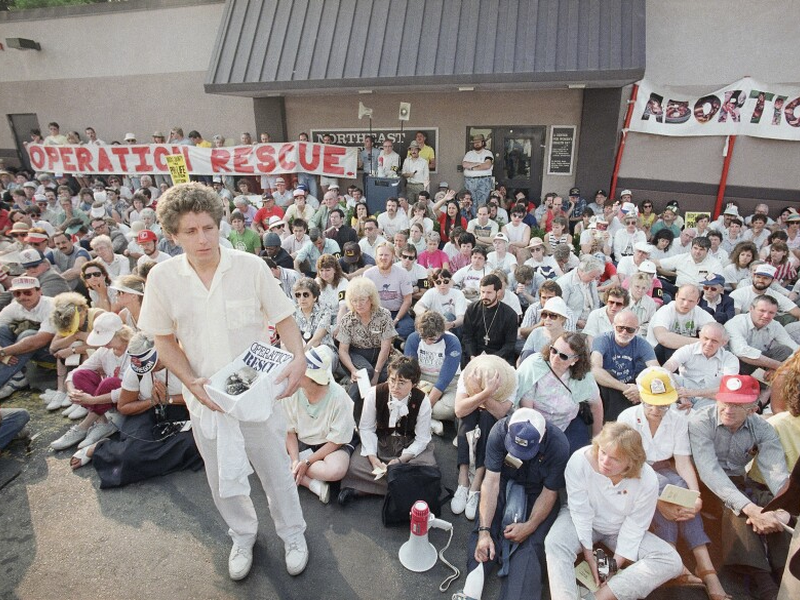
If the debate over Operation Rescue has proven anything, it has proven that there is absolutely no consensus among evangelicals in general, or among "reconstructionists" in particular, about how to use the Bible to judge political actions and movements. Each side of the debate claims biblical authority for its position,…

by Peter LeithartFebruary 13, 1990
49980-nicolas_poussin_-_the_judgment_of_solomon_-_wga18330-800w-tn
Biblical Studies

Advice From a Sojourner, Part 4

Two things I asked of Thee, Do not refuse me before I die: Keep deception and words of falsehood far from me, Give me neither poverty nor riches, Feed me with the food that it my portion, Lest I be full and deny Thee, And say, "Who is the LORD?"…

by James B. JordanFebruary 2, 1990
image-2
Biblical Horizons

Foucault’s Pendulum

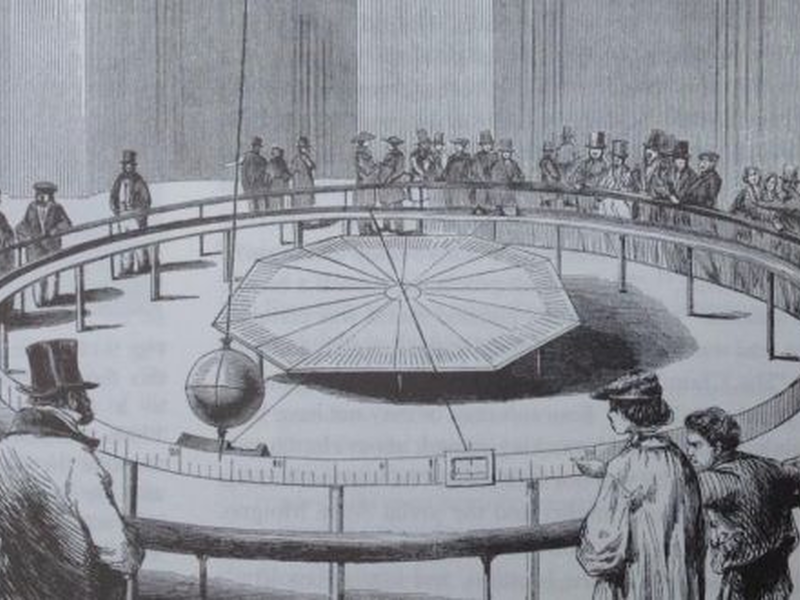
Umberto Eco’s "The Name of the Rose" was certainly one of the best literary works of the past decade, though the film version hardly measured up to it. Now Eco has given us a new novel, "Foucault’s Pendulum." Like Rose, Foucault’s Pendulum reflects on the limitations of human knowledge, and…

by James B. JordanJanuary 26, 1990
tanner-mardis-xuxghzhibn4-unsplash-1-2
Biblical Studies

What Is “Interpretive Maximalism”?

From time to time people ask me about "interpretive maximalism." They want to know what it is, and sometimes want to know if it represents some departure from the Reformed grammatico-historical, Biblico-theological approach to the Bible. I have something of a problem with these questions, because "interpretive maximalism" is not…

by James B. JordanJanuary 26, 1990

Showing page 305 of 309

See all
See all

Torah and Christ

Thomas writes in his commentary on John that “things were written in the Old Testament because they would be fulfilled by Christ. If we say that Christ acted because the scriptures foretold it, it would follow that the New Testament existed for the sake of the Old Testament and for…

May 30, 2008

Jacob Limping

Matthew Levering wisely rejects von Balthasar’s notion that Ezra-Nehemiah is “like a brook in the process of drying up”: “Why should the rebuilding of the temple and the renewal of obedience to the Torah, despite the diminishment of the splendor of the temple and the continuing failure fully to observe…

May 30, 2008
History

Bible and intellect

In a review of George Steiner’s latest book in the May 2 TLS, David Martin speculates on the connection between biblical exegesis and the development of intellectual toughness. For Jews and Scots, he says, “there are the intellectual resources built up by strenuous exercises, in wresting sense from sometimes recalcitrant…

May 28, 2008
Music

Music and mysticism

Music is often considered the most mystical, ephemeral, ethereal of all arts. For some, music is for this reason the most perfect, the most purely artistic, of all arts. Maybe. But think: When Bach wants to “comment” (Calvin Stapert’s term) on the chorale “Wachet auf” in Cantata 140, he gives…

May 28, 2008

Matthew’s Angels

The distribution of angelic appearances in Matthew is significant. Angels actually appear as characters in the story only in chapters 1-4 and 28. In total, there are seven uses of “angel” in passages that describe angels as characters (1:20, 24; 2:13, 19; 4:11; 28:2, 5; there is also Satan’s quotation…

May 28, 2008

They sat down

When the fisherman in the dragnet parable (Matthew 13:47-50) pull the net to the beach, they “sat down” in order to gather the good fish and throw the bad away. Why sit? Comfort? I doubt it. Jesus is talking about the end of the age, when the Twelve, made fishers…

May 28, 2008

Showing page 1512 of 2212

Browse by Category

In Medias Res

Your weekly digest for all things Theopolis.

Donate

Theopolis is nearly 100% donor-supported. Consider joining us on our mission.