Theopolis Logo

Writing

Explore our collection of theological essays, biblical studies, and reflections on faith and culture.

See all
cloister
Democracy

The Babylonian Unity of the Church

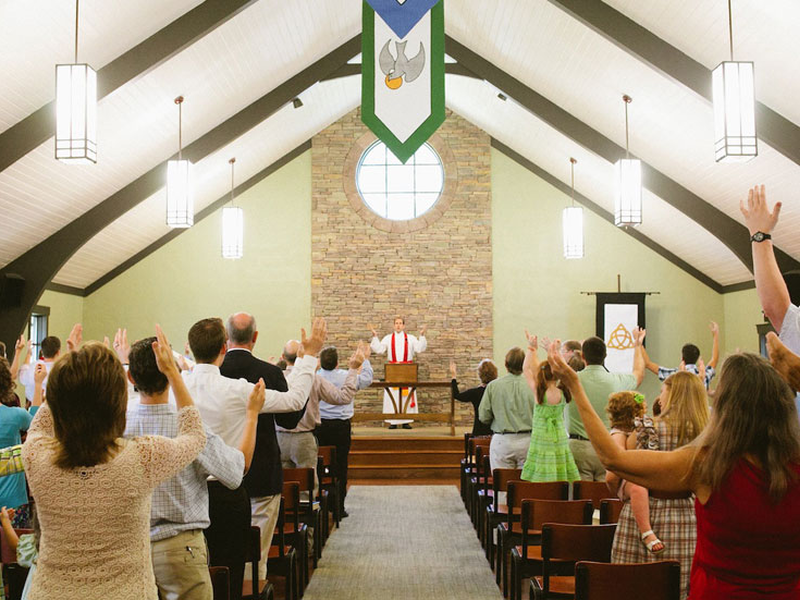
There are many legitimate reasons to lament the divided state of the church. Fleshly pride, theological hubris, sectarian rivalries are each in their own ways modern versions of the Galatian heresy, refusing table fellowship with brothers and sisters for whom Christ died. And denominations have frequently played the same role…

by Toby SumpterJune 23, 2015
img_0166
Theopolis News

Bogumil Jarmulak

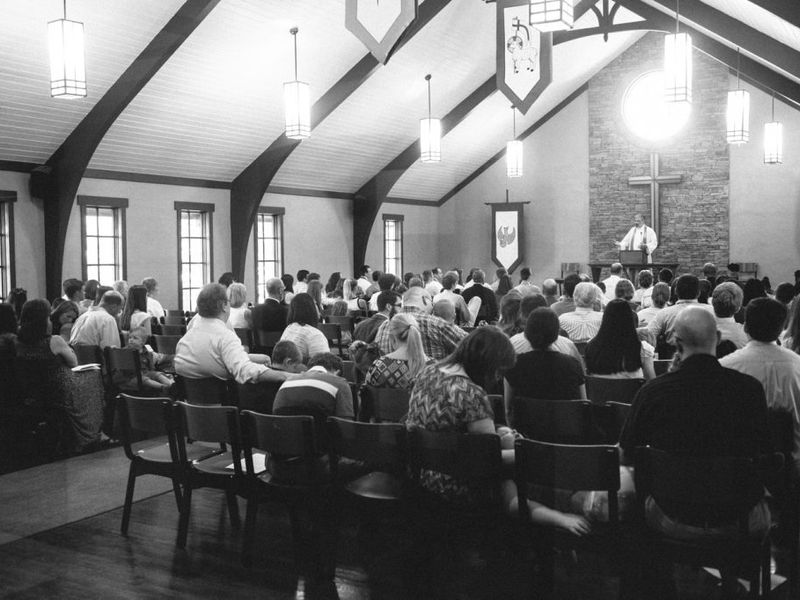
Though Bogumil Jarmulak was not able to deliver his lectures on Jurgen Moltmann due to flight delays, he preached at Trinity Presbyterian Church on Sunday morning, June 14. He encouraged the church in how to deal with misery in this life, and pointed them to their only hope in life…

by Brian MoatsJune 18, 2015
img_6328
History

Christians, Liturgy, and the Past, 2

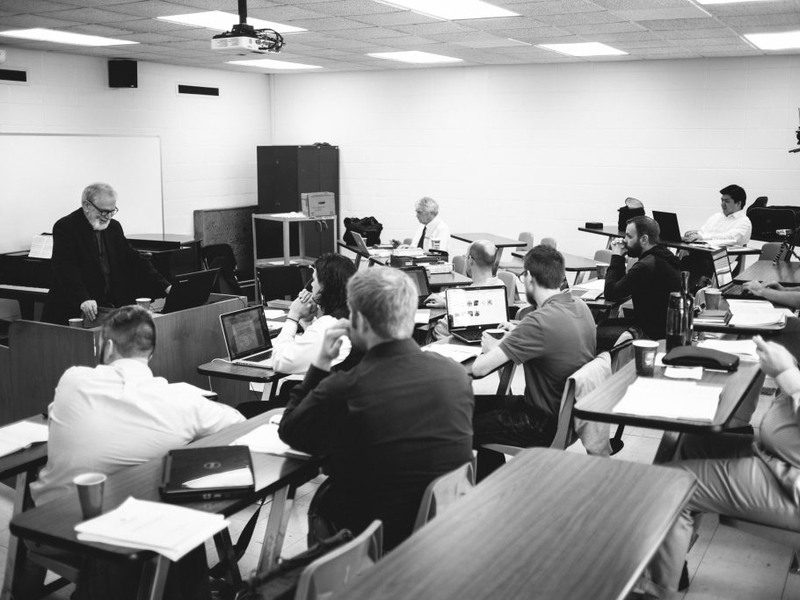
Connecting with the past within the present is a complicated endeavor. One of the most immediate challenges facing us is that of ensuring that, as Christians, our use of the past is undertaken in service of present faithfulness. The past is not a realm to which we retreat, but a…

by Alastair RobertsJune 18, 2015
img_6538-2
Theopolis News

Letter From Peter Leithart

Dear friend of Theopolis, Before he attended the Theopolis course on Holistic Mission during Easter term, 2014, Jonathan Sedlak lived with his family in the quiet, comfortable Milwau­kee suburb of Slinger, Wisconsin. An intensive week in Birmingham changed all that. Listening to missionary Wes Baker and hashing over readings and…

by TheopolisJune 16, 2015
bauhaus
Architecture

The Crystalline Vision: Bauhaus and the Bible

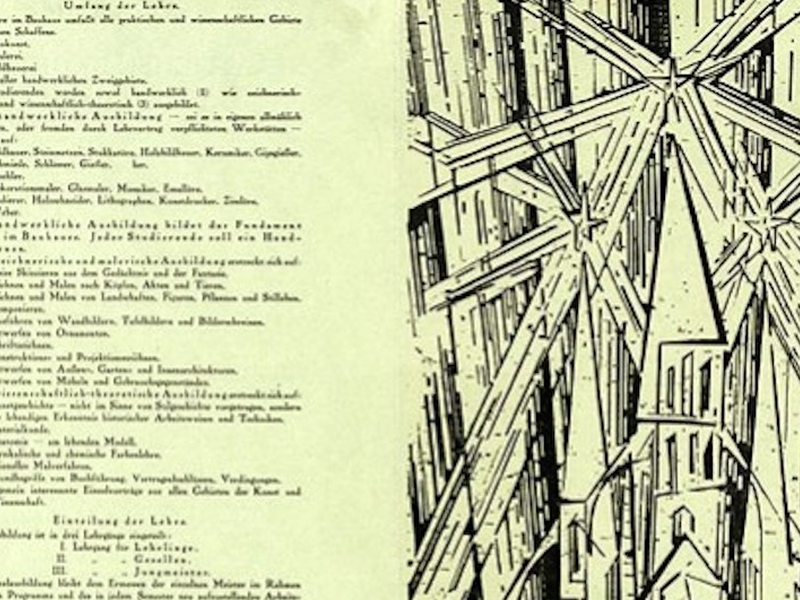
“What is in the nature of these materials?” The Bauhaus, founded in Germany in 1919 by architect Walter Gropius, had a profound influence in every area of design, from graphics and typography to clothing, furniture and architecture. The institution was not so much a style as a method, its philosophy…

by Mike BullJune 11, 2015
samuel-branch-zpvisr0s_hq-unsplash
Books

The American Way of Being Church

​Russell Richey's ​Denominationalism collects some of the most important essays on its titled topic. The authors are a who's-who of 20th century American religious history: Winthrop Hudson, Timothy L. Smith, Sidney Mead, Richey himself, H. Richard Niebuhr and Martin Marty. Some are broad synthetic studies; others are more granular studies…

by Peter LeithartJune 10, 2015

Showing page 151 of 309

See all
See all
History

Table Manners and Individualism

Elias notes that table manners reflect social relations more generally: “People who ate together in the way customary in the Middle Ages, taking meat with their fingers from the same dish, wine from the same goblet, soup from the same pot or the same plate . . . - such…

September 26, 2006
History

The Blasphemous Fork

Elias again: “In the eleventh century a Venetian doge married a Greek princess. In her Byzantine circle the fork was clearly in use. At any rate, we hear that she lifted food to her mouth ‘by means of little gold forks with two prongs.’ “This gave rise in Venice to…

September 26, 2006
History

Middle Class Counter-Enlightenment

Elias suggests that the blossoming of German literature in the late 18th century was largely led by middle-class writers and thinkers whose tastes and styles ran directly counter to the Francophile culture of Frederick’s court: “This German literary movement, whose exponents included Klopstock, Herder, Lessing, the poets of Sturm und…

September 25, 2006
Literature

Barbarous Shakespeare

A couple of weeks ago, I quoted Frederick the Great’s judgment that Shakespeare’s plays were fit only for “savages of Canada,” what with their “jumble of lowliness and grandeur, of buffoonery and tragedy,” their sins “against all the rules of the theatre, rules which are not at all arbitrary.” Frederick…

September 25, 2006

Structural and other notes on 1 John 1:5-2:11

A few scattered notes on this section of John’s first epistle. 1) There is a repeated emphasis on the contrast between word and action, word and walk. Three times John uses the clause “if we say that” (1:6, 8, 10), and another three times he uses “the one who says”…

September 25, 2006
Uncategorized

Sermon notes

INTRODUCTION John’s gospel is about the character of God: He proclaims that God is light, and has no darkness at all (1:5). This gospel comes with the demand to walk in the light (1:6). What does that mean? THE TEXT “This is the message which we have heard from Him…

September 25, 2006

Showing page 1787 of 2212

Browse by Category

In Medias Res

Your weekly digest for all things Theopolis.

Donate

Theopolis is nearly 100% donor-supported. Consider joining us on our mission.